- سبد خرید خالی است.




The realm of imaginative play is a cornerstone of childhood development, fostering creativity, social skills, and emotional growth. For many families, finding engaging and screen-free activities is a constant pursuit. Exploring options that encourage interaction and storytelling becomes paramount. One such avenue for family fun centers around the concept of role-playing and interactive narratives, and sometimes, that involves the simple, yet surprisingly versatile phrase: play jonny. This isn’t about a specific game with rigid rules, but rather a springboard for collaborative storytelling, where children can take on different personas and collaboratively build a world filled with adventure and laughter.
The beauty of this approach lies in its adaptability. It can be as simple as pretending to be explorers charting unknown territories in the living room, or as elaborate as constructing an entire fictional society with its own customs and challenges. The emphasis is always on the process of creation and the joy of shared experience. Encouraging children to initiate the narrative and direct the flow of play empowers them and builds confidence. While the initial prompt might be ‘play jonny’, the journey it unlocks is organically shaped by the imaginations of those involved, providing endless hours of wholesome entertainment and valuable learning opportunities.
Role-playing isn't simply make-believe; it's a powerful tool for cognitive and social-emotional learning. When children assume different roles, they're forced to consider perspectives beyond their own, developing empathy and understanding. Furthermore, the act of improvising dialogue and responding to unexpected events enhances their problem-solving skills and quick-thinking abilities. The initial suggestion to play jonny, whatever that may represent within the family context, serves as an invitation to enter this world of imaginative exploration. It’s a starting point, not a constraint, allowing for flexible adaptation and organic development of the play scenario.
A common misconception is that successful role-playing requires elaborate costumes or props. While these can certainly add to the fun, they're not essential. A simple declaration – "I'm a doctor!" or "I’m the captain of this ship!" – is often enough to ignite a child's imagination. The power lies in the intention and the willingness to suspend disbelief. The focus should be on the narrative and the interaction between players, rather than the aesthetic perfection of the setting or costumes. This core principle makes role-playing accessible regardless of resources or space limitations.
To truly elevate the role-playing experience, encourage children to develop well-rounded characters. This goes beyond simply assigning a profession or role. Explore the character's backstory, personality traits, and motivations. What are their strengths and weaknesses? What are their hopes and fears? Discussing these aspects can help children develop a deeper connection to their characters, making the play more immersive and meaningful. The character initially spurred by ‘play jonny’ can evolve immensely, gaining depth and complexity through collaborative storytelling. This careful character development will naturally enrich the unfolding narratives.
For example, if ‘Jonny’ is initially conceived as a brave knight, delve deeper. Is he a noble knight, driven by a strong sense of justice? Or is he a reluctant hero, thrust into a position of responsibility? Perhaps he has a secret fear that he must overcome. Asking these types of questions transforms a simple archetype into a unique and engaging character, providing fertile ground for exciting and dramatic role-playing adventures.
| Backstory | The character’s history and experiences. |
| Personality | Their defining traits and behavioral patterns. |
| Motivations | What drives their actions and goals. |
| Strengths | Their skills and abilities. |
| Weaknesses | Their vulnerabilities and limitations. |
Developing these character elements before beginning the role-play can significantly improve its quality. It ensures that decisions and actions feel authentic and grounded in the established persona, leading to a more immersive and satisfying experience for all involved.
While spontaneous play is wonderful, introducing a basic narrative structure can add another layer of engagement. This doesn't mean scripting the entire adventure, but rather establishing a clear beginning, middle, and end. Establishing a central conflict or problem that the characters must resolve provides a focal point for the play and encourages collaborative problem-solving. The initial call to play jonny may simply be the inciting incident, the starting point for a larger, unfolding drama. Thinking about where the story could go is just as important as the moment-to-moment interaction.
Furthermore, incorporating elements of mystery and suspense can heighten the excitement. Leaving clues, introducing unexpected twists, and creating moments of uncertainty will keep players invested in the narrative. The key is to strike a balance between structure and improvisation, allowing for flexibility while still maintaining a sense of direction. This balance ensures that the play remains engaging and unpredictable, preventing it from becoming monotonous or aimless.
A compelling narrative requires a believable setting. Even a simple setting, like a backyard or living room, can be transformed into a fantastical world with a little imagination. Encourage children to describe the environment in detail: What does it look like? What does it smell like? What sounds can be heard? The more vivid the sensory details, the more immersive the experience. This is where open-ended prompts are incredibly valuable. Don't tell them what the setting looks like; ask them to describe it to you. The shared act of world-building strengthens the connective tissue of the play experience.
Consider incorporating maps, drawings, or even simple props to represent key locations within the story world. These visual aids can help children visualize the environment and orient themselves within the narrative. This also supports spatial reasoning and provides an opportunity for artistic expression. The world evolving around the concept of ‘play jonny’ becomes much richer when the surroundings are collaboratively imagined and defined.
By focusing on these elements, you can elevate the role-playing experience from simple pretend play to a rich and rewarding form of creative expression.
The beauty of this approach is its adaptability. The complexity of the role-playing scenarios should be adjusted to suit the age and developmental level of the children involved. Younger children may benefit from simpler roles and more concrete scenarios, while older children can handle more abstract concepts and intricate storylines. It's crucial to be flexible and responsive to their needs and interests. If a child seems disinterested in a particular theme or character, don’t force it. Redirect the play in a new and exciting direction.
Similarly, tailor the scenarios to align with their passions. If they're fascinated by dinosaurs, create a role-playing adventure set in the prehistoric world. If they love space, embark on a mission to explore distant galaxies. By tapping into their existing interests, you can maximize their engagement and enthusiasm. This is the reason why the initial prompting of play jonny can be so effective – it can act as a catalyst for virtually any passionate interest. It’s a versatile springboard.
Role-playing doesn’t have to be purely recreational. It can also be a valuable tool for reinforcing educational concepts. For instance, if you're working on math skills, create a scenario where children have to calculate distances, measure ingredients, or manage a budget. If you're studying history, role-play a historical event or interact with figures from the past. This approach makes learning more engaging and memorable, helping children to apply their knowledge in a meaningful context.
The key is to seamlessly integrate the educational elements into the narrative, ensuring that they don’t feel forced or contrived. The learning should emerge organically from the play, rather than being explicitly imposed upon it. For example, a ‘play jonny’ scenario might involve pretending to be shopkeepers and calculating change, subtly reinforcing mathematical skills while fostering creativity and social interaction.
Adapting the play experience to the child’s needs ensures it remains engaging, educational, and enjoyable for everyone involved.
The benefits of imaginative play extend far beyond immediate enjoyment. Research suggests that regular engagement in role-playing and creative activities can have a profound impact on a child's cognitive, social, and emotional development. It fosters creativity, problem-solving skills, empathy, and resilience. Furthermore, it provides opportunities for children to practice communication, negotiation, and conflict resolution – skills that are essential for success in all aspects of life.
By nurturing their imaginations, we’re equipping them with the tools they need to navigate a complex and ever-changing world. The simple act of encouraging them to play jonny, or any other form of imaginative play, is an investment in their future. It's a reminder that the most valuable gifts we can give our children are not material possessions, but the freedom to explore, create, and dream.
Beyond the developmental advantages for children, engaging in imaginative play as a family offers a unique opportunity to strengthen bonds and create lasting memories. When parents participate in the play, they’re not just observers; they’re collaborators, actively contributing to the shared narrative. This creates a sense of intimacy and connection, fostering a deeper understanding between family members. Consider ‘Jonny’ as a character in an ongoing family saga—a figure who appears in different roles and situations, building a shared history and inside jokes.
The stories crafted during these play sessions often become treasured family lore, recounted and revisited over the years. These shared narratives create a sense of belonging and identity, strengthening the family’s collective memory. Taking the time to participate in imaginative play sends a powerful message to children: that their creativity is valued, their ideas are respected, and their presence is cherished. This fostering of connection and creativity is perhaps the most significant benefit of all.

 داوری اتاق تعاون
 از مصوبات شورای عالی ترابری ایران
 اصل ۱۳۹ قانون اساسی برای داوری
 استعفای داور و تأثیر آن بر داوری
 اعتراض به رای داور و درخواست بطلان آن دعوی مالی نیست
 داوری بین شرکت های تعاونی
 ارجاع به داوری در قراردادهای پیمان
 داوری در حقوق مالکیت فکری
 داوری در شرکت های با مسئولیت محدود
 داوری در اتاق تعاون
 داوری در آئین دادرسی مدنی
 زایل شدن شرط داوری به سبب اقاله یا تفاسخ اصل قرارداد
 اهلیت ارجاع اختلاف به داوری
 شرح و تحلیل ماده ۴۵۴
 اساسنامه دیوان بینالمللی دادگستری
 قانون موافقتنامه بین دولت جمهوری اسلامی ایران و کمیته حقوقی مشورتی آسیایی – آفریقایی راجع به ایجاد مرکز منطقهای داوری در تهران
 کنوانسیون شناسایی و اجرای احکام داوری خارجی
 قوه قضاییه، مکلف به تلاش برای حل و فصل اختلافات از طریق داوری شد
 کانون داوری قوه قضائیه در استان یزد، ایجاد می شود
 راه اندازی مرکز داوری در کانون وکلای دادگستری مرکز
 صلاحیت محلی در داوری
 برای اجرای رای داور، عشریه اجرایی نباید دریافت شود
 اجرای رای داوری که طی سند رسمی به داوری، انتخاب شده باشد از طریق اجرای ثبت، ممکن نیست
 غیر مالی بودن دعوی ابطال رای داور
 زایل شدن شرط داوری، اشکالی ندارد
 داوری نهاد مدرن حل اختلاف
 سرعت در رسیدگی داوری
 داور قاضی متخصص و منتخب شما
 از قانون برنامه ششم توسعه فرهنگی، اجتماعی و اقتصادی ایران
 از قانون اجرای سیاست های کلی اصل ۴۴ قانون اساسی ایران
 از قانون برنامه سوم توسعه فرهنگی، اجتماعی و اقتصادی جمهوری اسلامی ایران
 از سیاست های کلی نظام
 روش تعیین داور
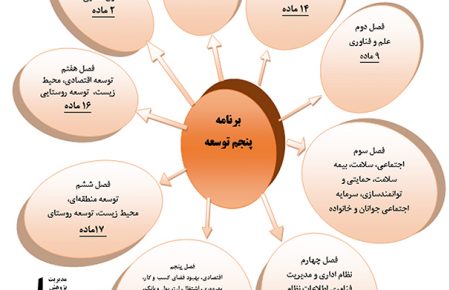 از قانون برنامه پنجم توسعه فرهنگی، اجتماعی و اقتصادی کشور
 از قانون نظام مهندسی و کنترل ساختمان (داوری شورای مرکزی)
 از اساسنامه شرکت سهامی خاص خدمات هوایی پست و مخابرات (پیام)
 از قانون اتاق بازرگانی ایران (تشکیل مرکز داوری اتاق ایران)
 تشکیل نهاد داوری از سوی قوه قضائیه در آیندهای نزدیک
 از قانون اجرای احکام مدنی (اجرای رای داور)
 از قانون اصلاح پاره ای از قوانین دادگستری
 تقاضای ابطال رای داور
 تاثیر اقاله قرارداد بر داوری
 انقضای مدت داوری
 موضوع داوری بیانگر صلاحیت داور
 از قانون برنامه سوم توسعه فرهنگی، اجتماعی و اقتصادی ایران
 ارتباط رای داور با قوانین موجد حق
 سمینار نظارت قضایی بر آرای داوری
 نقدی بر داوری در پیمان
داوری در پیمان
نقدی بر داوری در پیمان
داوری در پیمان
 قانون اساسنامه مرکز داوری اتاق ایران
 از قانون اساسی جمهوری اسلامی ایران و تفاسیر شورای نگهبان قانون اساسی
 از قانون اصلاح موادی از قانون بخش تعاونی اقتصاد جمهوری اسلامی ایران
طبیعت و ماهیت داوری یا حکمیت
از قانون اصلاح موادی از قانون بخش تعاونی اقتصاد جمهوری اسلامی ایران
طبیعت و ماهیت داوری یا حکمیت
 همه مسائل حقوقی؛ قابل ارجاع به داوری
شرح و تحلیل شرط داوری
همه مسائل حقوقی؛ قابل ارجاع به داوری
شرح و تحلیل شرط داوری
 از لایحه قانونی اصلاح قسمتی از قانون تجارت
 از قانون شورای حل اختلاف
 از قانون راجع به منع مداخله وزارء و نمایندگان مجلسین و کارمندان در معاملات دولتی و کشوری
 قانون راجع به اجازه ارجاع به داوری و تعیین داور برای دعاوی علیه بانک ها در خارج از کشور به بانک مرکزی ایران
 قانون داوری تجاری بینالمللی
 از قانون حمایت خانواده
 از قانون تاسیس بورس اوراق بهادار
 از قانون پیش فروش ساختمان
 قانون بازار اوراق بهادار جمهوری اسلامی ایران
 از قانون آئین دادرسی دادگاههای عمومی و انقلاب در امور کیفری
داوری در قانون آئین دادرسی مدنی
از قانون آئین دادرسی دادگاههای عمومی و انقلاب در امور کیفری
داوری در قانون آئین دادرسی مدنی
 اهمیت داوری در قراردادهای پیمانکاری
 اهمیت داوری در حقوق ایران
 ابطال رای داوری
اشخاص ممنوع از داوری
ابطال رای داوری
اشخاص ممنوع از داوری
 زوال داوری
از قانون بخش تعاونی اقتصاد جمهوری اسلامی ایران
زوال داوری
از قانون بخش تعاونی اقتصاد جمهوری اسلامی ایران
 از قانون تشویق و حمایت سرمایهگذاری خارجی
 از قانون توسعه ابزارها و نهادهای مالی در راستای اصل چهل و چهارم
 از قانون ایمنی زیستی جمهوری اسلامی ایران
از قانون تشکیل دادگاههای عمومی و انقلاب
از قانون ایمنی زیستی جمهوری اسلامی ایران
از قانون تشکیل دادگاههای عمومی و انقلاب
 قانون اصلاح مقررات مربوط به طلاق
 از قانون برنامه چهارم توسعه فرهنگی، اجتماعی و اقتصادی جمهوری اسلامی ایران
 آئین نامه اجرایی ماده ۲۱ قانون برنامه سوم توسعه اقتصادی و اجتماعی و فرهنگی جمهوری اسلامی ایران
 آییننامه حقالزحمه داوری
 از آئین نامه اجرایی قانون نظام مهندسی و کنترل ساختمان (داوری)
 از آییننامه اجرایی قانون پیشفروش ساختمان
 از آییننامه شرایط عمومی بیمه بدنه وسایل نقلیه
 آییننامه اجرایی تبصره ۱ ماده واحده قانون اصلاح مقررات مربوطه به طلاق
 از آییننامه شرایط عمومی بیمهنامه
 آییننامه قانون حفظ و بهرهبرداری از منابع آبزی
 آییننامه میانجیگری در امور کیفری مصوب هیئتوزیران
 آییننامه داوری در بخش تعاونی
 آییننامه داوری در اختلافات تجاری
 آییننامه داوری مرکز داوری کانون وکلاء مرکز
 آییننامه اجرایی تبصره ذیل ماده ۲۸ قانون اصلاح پارهای از قوانین دادگستری
 آییننامه میانجیگری در امور کیفری، مصوب قوه قضاییه
 چگونگی تراضی طرفین به عزل داور
 تعیین نحوه ابلاغ رای داوری
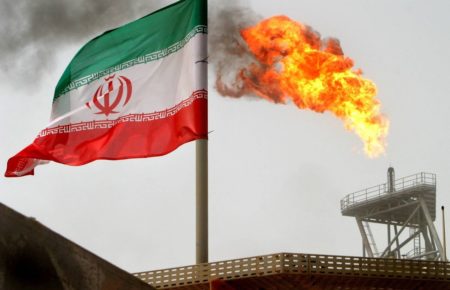 داوری در مناقشه گازی ایران و ترکمنستان
 قانون داوری نمونه آنسیترال ۱۹۸۵
 از دستورالعمل حمایت قضایی از سرمایهگذاری
بخشنامه ارجاع اختلاف تعاونیها به اتاق تعاون
از دستورالعمل حمایت قضایی از سرمایهگذاری
بخشنامه ارجاع اختلاف تعاونیها به اتاق تعاون
 بخشنامه ریاست جمهوری در مورد داوری اتاق بازرگانی ایران (سال ۱۳۸۲)
 بخشنامه تاکید بر صلاحیت های مرکز داوری
 از شرایط عمومی پیمان
 از تصویبنامه ماده ۲۳ قانون برنامه و بودجه (داوری در قراردادهای عمرانی)
 تصویبنامه هیأت وزیران درباره تفویض اجازه ارجاع دعاوی راجع به اموال عمومی و دولتی به داوری به کمیسیون امور زیربنایی و صنعت
 تصویبنامه در مورد داوری و مصالحه دعاوی راجع به اموال و دولتی
 از تصویب نامه هیات وزیران در مورد روش حل اختلاف در طرحهای عمرانی
 در دعاوی طلاق، در صورت عدم معرفی داور از سوی طرفین، دادگاه اقدام به تعیین داور خواهد کرد.
 لازمالرعایه بودن ارجاع امر به داوری در دعاوی طلاق حتی برای اقلیتهای مذهبی
 اعتبار توافق دو شرکت خصوصی در داوری شورای عالی فنی
 اعتبار ارجاع امر به داوری در موقوفات
 تکلیف دادگاه به اجرای رای داور
 خودداری محکوم علیه از اجرای رای داور
 چگونگی ابلاغ رای داور
 داوری در دعاوی دانشگاه آزاد
 هیئت سه نفره داوری
 دادگاه صالح برای اجرای رای داور
ابلاغ رای داور در موارد سکوت نحوه ابلاغ
دادگاه صالح برای اجرای رای داور
ابلاغ رای داور در موارد سکوت نحوه ابلاغ
 ابلاغ رأی داور از طریق آگهی
 مهلت اجرای رأی داور یا اعتراض به آن
 رفع ابهام یا اجمال از آراء داوری
 ارجاع به داوری در قراردادهای باشگاه استقلال
 رسیدگی به دعوی بطلان رای داوری
 اعتراض به رای داوری در صلاحیت دادگاه
 تکلیف دادگاه به تعیین داور
 اعسار از حق الزحمه داوری
 ارجاع دعاوی مربوط به اموال عمومی به داوری
 داوری در طلاق توافقی
مهلت ها و مواعد اعتراض به رای داور
داوری در طلاق توافقی
مهلت ها و مواعد اعتراض به رای داور
 داوری در روابط موجر و مستاجر
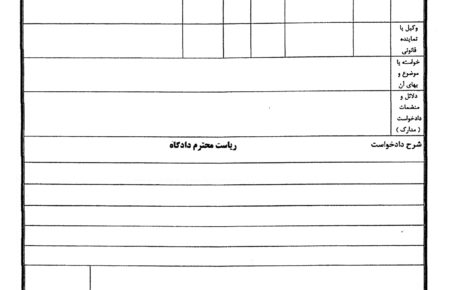 درخواست ابطال رای داوری در مهلت قانونی
 تکلیف دادگاه پس از ابطال رای داور
 صلاحیت برای داوری
 اجرای رای داور با درخواست ذینفع
قرار ابطال دادخواست طلاق
اجرای رای داور با درخواست ذینفع
قرار ابطال دادخواست طلاق
 صدور رأی پیرامون رأی داور
 انتخاب سردفتران و دفتریاران اسناد رسمی به داوری
 رأی هیئت حل اختلاف آییننامه شورای عالی بیمه
 میانجیگری و صلح (سازش)
توقف اجرای رأی داور
میانجیگری و صلح (سازش)
توقف اجرای رأی داور
 ارجاع درخواست طلاقهای غیر توافقی به داوری
 رأی داوری نسبت به بانکهای دولتی بدون رعایت اصل ۱۳۹ قانون اساسی بیاعتبار است
 ارجاع دعوی تنفیذ مبایعه نامه به داوری
 دعوی ابطال شرط داوری
 شرط داوری در اساسنامه شرکت
 داوری اعضای هیات مدیره شرکت
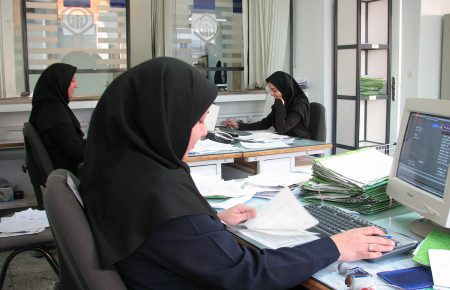 داوری مشاور حقوقی
 جلسه داوری خارج از دادگاه
 غیابی بودن رای داوری
 عدول از ارجاع امر به داوری
قاعده فراغ در داوری
عدول از ارجاع امر به داوری
قاعده فراغ در داوری
 مطالبه دستمزد داوری
اعتراض به رای داوری
تعیین یکی از طرفین بعنوان داور
مطالبه دستمزد داوری
اعتراض به رای داوری
تعیین یکی از طرفین بعنوان داور
 شرط داوری در قرارداد با شهرداریها
 داوری در قانون مجازات اسلامی
 توسعه نهاد داوری
 داوری در تجارت بین الملل
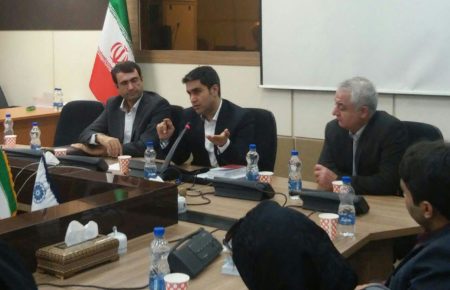 برگزاری دوره جامع آموزش داوری
ویژگی های شرط داوری
برگزاری دوره جامع آموزش داوری
ویژگی های شرط داوری
 داوری و مزیت های داوری
 ممنوعیت کارمندان دولت از داوری
 آئین نامه هزینه داوری در “ایران داوری”
 نحوه اجرای رای داور در داوری داخلی
 نگارش رای داوری
نمونه شرط داوری
نگارش رای داوری
نمونه شرط داوری
 داوری بین المللی و خارجی
 آییننامه تشکیلات مرکز ایران داوری
شرایط داور مرضی الطرفین
آییننامه تشکیلات مرکز ایران داوری
شرایط داور مرضی الطرفین
 استقلال شرط داوری
 تعیین داور توسط مقام ناصب
 نحوه قیمت گذاری گاز طبیعی
 جایگاه داوری در حقوق ایران و فقه
 مسئولیت داور در ایران و برخی کشورها
 تکلیف داور به تبعیت از قرارداد
 غیر مالی بودن دعوای ابطال رای داور
 داوری شورای عالی معادن
ارجاع دعاوی و اختلافات موقوفه به داوری
داوری شورای عالی معادن
ارجاع دعاوی و اختلافات موقوفه به داوری
 داوری در موافقتنامه چابهار
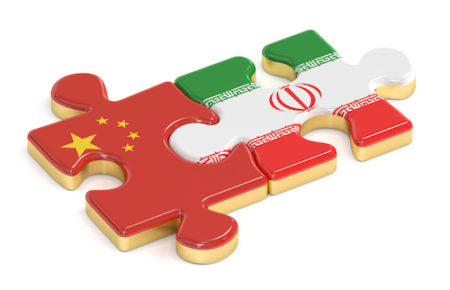 اجرای احکام داوری بین ایران و چین
نمونه لایحه قوی در دعوای ابطال رای داور
اجرای احکام داوری بین ایران و چین
نمونه لایحه قوی در دعوای ابطال رای داور
 ضرورت توسعه داوری
 مزایای داوری برای وکلای دادگستری
لایحه جامع داوری
ابطال رای داور مرضی الطرفین
مزایای داوری برای وکلای دادگستری
لایحه جامع داوری
ابطال رای داور مرضی الطرفین
 تعیین داور مرضی الطرفین
 مزایای انتخاب داور نسبت به قاضی دادگستری
 مالیات وکیل در پرونده های داوری
دادخواست تعیین داور
انتخاب داور به وسیله دادگاه
مالیات وکیل در پرونده های داوری
دادخواست تعیین داور
انتخاب داور به وسیله دادگاه
 ابلاغ رأی داوری – تعیین و حساب مواعد
 داوری در قراردادها
مسئولیت داور
داوری در قراردادها
مسئولیت داور
 داوری بین المللی
 تعداد داوران در قوانین ایران
 موارد مداخله دادگاه در نصب داور
 اخذ قبولی داور
 استعفای داور
 عزل داور
آیین داوری ایران داوری
عزل داور
آیین داوری ایران داوری
 انتخاب داور بوسیله شخص ثالث یا دادگاه
 داوری در اختلافات و دعاوی بین ایرانیان و اتباع خارجی
 داوری در معاملات املاک
 نمونه شرط داوری در قراردادها و معاملات املاک
 مرکز داوری اتاق اصناف ایران
 داوری شرکت ها در روابط و اختلافات تجاری
 اعتبار شرط داوری در اساسنامه شرکت های تعاونی
 داوری شورای شهر در اختلافات شهرداری ها با اشخاص
 آموزش نحوه نگارش رای داوری
 داوری مدیران شرکت ها در دعاوی شرکت ها
 داوری شورای اسلامی شهر در دعاوی و معاملات شهرداری ها
 انصراف از داوری
 کارگاه آموزشی داوری در معاملات املاک
 داوری الکترونیکی