- سبد خرید خالی است.




The ocean’s embrace offers a unique form of solace, a rhythmic dance between water and shore that has captivated humanity for millennia. There’s a particular magic in witnessing a perfectly formed wave, a crest of energy rolling towards the coast, and for some, that experience is enhanced by the feeling of a lucky wave – an intuitive sense of peace and possibility connected to the ocean's power. This isn't just about surfing or enjoying the beach; it's about cultivating a deeper connection with nature and finding moments of mindfulness in the everyday.
Exploring the coastal environment allows us to disconnect from the demands of modern life and reconnect with our natural rhythms. The salty air, the sound of the waves, and the vastness of the ocean provide a sensory experience that can be incredibly grounding and restorative. Many individuals find that spending time near water reduces stress, improves mood, and fosters a sense of well-being. Understanding the subtle nuances of the ocean, recognizing patterns in the waves, and respecting its power can lead to a profound sense of awe and gratitude. It's a journey of discovery, both outward towards the horizon and inward towards oneself.
Waves are not simply random occurrences; they are the result of complex interactions between wind, water, and the ocean floor. The energy that creates waves originates from wind blowing across the surface of the water, transferring its energy to the water molecules. The size of a wave is determined by three primary factors: wind speed, wind duration, and fetch – the distance over which the wind blows. Larger waves require stronger winds, longer durations, and greater fetch areas. This explains why open ocean areas generally experience larger waves than sheltered bays. The way waves behave also changes as they approach the shore, becoming steeper and eventually breaking as the water gets shallower.
The type of seafloor also plays a significant role in wave formation. Steep, rocky bottoms tend to produce powerful, breaking waves, favored by surfers. Gentle, sandy bottoms create more gradual, rolling waves, ideal for swimming and relaxation. The interaction of waves with underwater features like reefs and sandbars can create unique wave patterns and localized areas of increased wave energy. Learning to read these signals – the shape of the wave, its speed, and the way it breaks – is a skill honed by experience and observation. It provides insight into the ocean's energy and transforms the experience from passive observation to active understanding.
From a scientific perspective, a "good" wave, often associated with feelings of positivity, might simply be a wave that offers optimal conditions for a specific activity. For surfers, this might mean a wave with a clean face, a manageable size, and a predictable break. For swimmers, it might be a calm, rolling wave that provides a gentle push. However, the subjective experience of a "good" wave extends beyond these practical considerations. Timing is crucial. Knowing when the swell is peaking, the tidal influences, and the local wind conditions all contribute to catching the perfect wave. Utilizing resources like marine forecasts and swell charts can greatly improve the odds of finding ideal wave conditions, enhancing the likelihood of that satisfying, energetic interaction.
Furthermore, understanding wave refraction and diffraction – the bending of waves around obstacles – is key to anticipating wave behavior in complex coastal environments. These phenomena explain why waves don't always travel in straight lines and why certain areas receive more wave energy than others. This knowledge empowers beachgoers and water sports enthusiasts to make informed decisions about where and when to enjoy the ocean, ultimately maximizing their experience.
| Wavelength | The distance between two successive crests or troughs. |
| Wave Height | The vertical distance between the crest and the trough. |
| Wave Period | The time it takes for two successive crests to pass a fixed point. |
| Swell | A series of long-period waves generated by distant storms. |
The interplay of these factors defines the ocean’s dynamics and shapes the experience of being in its presence, contributing to that fortunate sensation of encountering a truly memorable wave.
The rhythmic sound of waves crashing on the shore can be incredibly meditative. It provides a natural backdrop for practicing mindfulness, a mental state achieved by focusing on the present moment without judgment. Instead of getting caught up in thoughts about the past or worries about the future, mindfulness encourages us to observe our sensations, emotions, and thoughts as they arise and pass, much like the waves themselves. This practice can be as simple as focusing on your breath, the feel of the sand beneath your feet, or the scent of the salt air. Engaging the senses fully anchors you in the here and now.
Integrating mindfulness into your beach experience can transform it from a casual outing into a deeply restorative practice. This can involve consciously noticing the colors of the ocean, the patterns in the sand, and the movements of wildlife. It's about slowing down, being present, and appreciating the beauty of the natural world. This purposeful engagement with the environment fosters a sense of connection and gratitude, reducing stress and promoting a sense of inner peace. Finding a quiet spot, away from crowds if possible, can further enhance this mindful connection. Allowing the ocean's energy to wash over you can leave you feeling refreshed and rejuvenated.
By intentionally incorporating these practices, the beach becomes more than just a destination; it becomes a sanctuary for the mind and a catalyst for well-being.
Numerous studies have demonstrated the positive psychological effects of spending time in natural environments, particularly near water. Exposure to blue spaces – oceans, lakes, rivers – has been linked to reduced stress hormones, lower blood pressure, and improved mood. The ocean’s vastness and complexity can evoke a sense of awe, a feeling that transcends our everyday concerns and connects us to something larger than ourselves. This sense of awe has been shown to promote feelings of humility, gratitude, and connectedness. Furthermore, the negative ions present in sea air are believed to have mood-boosting effects, counteracting the positive ions generated by electronic devices and urban environments.
The ocean also provides opportunities for physical activity, which is known to be a powerful antidepressant and anxiety reliever. Swimming, surfing, walking along the beach, and building sandcastles all contribute to physical health and well-being. The combination of physical activity and exposure to nature creates a synergistic effect, maximizing the benefits for both body and mind. Social interaction also often occurs at the beach, fostering a sense of community and belonging. Shared experiences with friends and family further enhance the positive psychological effects. The sensation of a lucky wave may be tied to this subconscious recognition of these benefits, a feeling of heightened well-being.
To maximize the psychological benefits of ocean exposure, it's important to be intentional about how you spend your time. Rather than simply visiting the beach as a passive activity, actively engage with the environment. Practice mindful breathing, go for a walk, swim in the ocean, or simply sit and observe the waves. Disconnect from technology and allow yourself to fully immerse in the sensory experience. Consider taking a “digital detox” during your beach visit, turning off your phone and disconnecting from social media. This will help you to be more present and fully appreciate the moment.
Additionally, consider incorporating ocean-based therapies into your wellness routine. Blue Mind therapy, for example, utilizes the principles of neuroscience to explain the positive effects of water on the brain. Surf therapy is gaining popularity as a treatment for depression, anxiety, and PTSD. These therapies demonstrate the ocean's potential as a powerful healing tool. Prioritizing time in nature, particularly near the ocean, is an investment in your mental and emotional health, fostering resilience and promoting a greater sense of well-being.
These steps will help you to harness the ocean's restorative power and cultivate a deeper connection with nature.
Throughout history, coastal communities have developed unique rituals and traditions centered around the ocean. These practices often serve to honor the ocean’s power, express gratitude for its bounty, and ensure safe passage for those who travel by sea. From ancient Polynesian navigation techniques to Japanese fishing ceremonies, the ocean has been deeply intertwined with cultural identity and spiritual beliefs. These traditions demonstrate a profound respect for the natural world and a recognition of our interconnectedness with it.
Many modern-day beachgoers also develop their own personal rituals, often unconsciously. Collecting seashells, building sandcastles, watching the sunrise or sunset, or simply taking a quiet walk along the shore can all become meaningful practices that foster a sense of connection and peace. The act of throwing a stone into the ocean while making a wish, a common tradition, symbolizes letting go of the past and embracing new possibilities. Such gestures, though seemingly small, can hold significant emotional weight. These rituals remind us of the ocean’s enduring presence and its ability to inspire hope and renewal. The feeling of a lucky wave might be a moment of connection to these deeply-rooted human experiences.
While the ocean provides immense benefits to humanity, it is also facing unprecedented threats from pollution, climate change, and overfishing. Plastic pollution, in particular, is a major concern, with an estimated 8 million tons of plastic entering the ocean each year. This plastic debris harms marine life, contaminates our food chain, and degrades the beauty of our coastal environments. Climate change is causing ocean acidification, coral bleaching, and rising sea levels, threatening coastal communities and ecosystems. Sustainable practices and responsible stewardship are essential to protecting this precious resource for future generations.
Individuals can make a difference by reducing their plastic consumption, supporting sustainable seafood choices, and advocating for policies that protect marine ecosystems. Participating in beach cleanups, donating to ocean conservation organizations, and educating others about the importance of ocean health are all valuable actions. Recognizing our interconnectedness with the ocean is the first step towards becoming responsible stewards of this vital resource. Embracing a mindful approach to ocean exploration – respecting its power, appreciating its beauty, and minimizing our impact – is not only beneficial for the environment but also for our own well-being, ensuring the conditions needed for encountering that feeling of a serendipitous gift: a lucky wave.

 داوری اتاق تعاون
 از مصوبات شورای عالی ترابری ایران
 اصل 139 قانون اساسی برای داوری
 استعفای داور و تأثیر آن بر داوری
 اعتراض به رای داور و درخواست بطلان آن دعوی مالی نیست
 داوری بین شرکت های تعاونی
 ارجاع به داوری در قراردادهای پیمان
 داوری در حقوق مالکیت فکری
 داوری در شرکت های با مسئولیت محدود
 داوری در اتاق تعاون
 داوری در آئین دادرسی مدنی
 زایل شدن شرط داوری به سبب اقاله یا تفاسخ اصل قرارداد
 اهلیت ارجاع اختلاف به داوری
 شرح و تحلیل ماده ۴۵۴
 اساسنامه ديوان بينالمللی دادگستری
 قانون موافقتنامه بین دولت جمهوری اسلامی ایران و کمیته حقوقی مشورتی آسیایی – آفریقایی راجع به ایجاد مرکز منطقهای داوری در تهران
 كنوانسيون شناسايی و اجرای احكام داوری خارجی
 قوه قضاییه، مکلف به تلاش برای حل و فصل اختلافات از طریق داوری شد
 کانون داوری قوه قضائیه در استان یزد، ایجاد می شود
 راه اندازی مرکز داوری در کانون وکلای دادگستری مرکز
 صلاحیت محلی در داوری
 برای اجرای رای داور، عشریه اجرایی نباید دریافت شود
 اجرای رای داوری که طی سند رسمی به داوری، انتخاب شده باشد از طریق اجرای ثبت، ممکن نیست
 غیر مالی بودن دعوی ابطال رای داور
 زایل شدن شرط داوری، اشکالی ندارد
 داوری نهاد مدرن حل اختلاف
 سرعت در رسیدگی داوری
 داور قاضی متخصص و منتخب شما
 از قانون برنامه ششم توسعه فرهنگی، اجتماعی و اقتصادی ایران
 از قانون اجرای سیاست های کلی اصل 44 قانون اساسی ایران
 از قانون برنامه سوم توسعه فرهنگی، اجتماعی و اقتصادی جمهوری اسلامی ایران
 از سیاست های کلی نظام
 روش تعیین داور
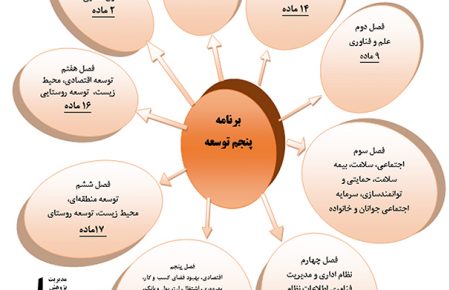 از قانون برنامه پنجم توسعه فرهنگی، اجتماعی و اقتصادی کشور
 از قانون نظام مهندسی و کنترل ساختمان (داوری شورای مرکزی)
 از اساسنامه شرکت سهامی خاص خدمات هوایی پست و مخابرات (پیام)
 از قانون اتاق بازرگانی ایران (تشکیل مرکز داوری اتاق ایران)
 تشکیل نهاد داوری از سوی قوه قضائیه در آیندهای نزدیک
 از قانون اجرای احکام مدنی (اجرای رای داور)
 از قانون اصلاح پاره ای از قوانين دادگستری
 تقاضای ابطال رای داور
 تاثیر اقاله قرارداد بر داوری
 انقضای مدت داوری
 موضوع داوری بیانگر صلاحیت داور
 از قانون برنامه سوم توسعه فرهنگی، اجتماعی و اقتصادی ایران
 ارتباط رای داور با قوانین موجد حق
 سمینار نظارت قضایی بر آرای داوری
 نقدی بر داوری در پیمان
داوری در پیمان
نقدی بر داوری در پیمان
داوری در پیمان
 قانون اساسنامه مرکز داوری اتاق ایران
 از قانون اساسی جمهوری اسلامی ایران و تفاسیر شورای نگهبان قانون اساسی
 از قانون اصلاح موادی از قانون بخش تعاونی اقتصاد جمهوری اسلامی ایران
طبیعت و ماهیت داوری یا حکمیت
از قانون اصلاح موادی از قانون بخش تعاونی اقتصاد جمهوری اسلامی ایران
طبیعت و ماهیت داوری یا حکمیت
 همه مسائل حقوقی؛ قابل ارجاع به داوری
شرح و تحلیل شرط داوری
همه مسائل حقوقی؛ قابل ارجاع به داوری
شرح و تحلیل شرط داوری
 از لایحه قانونی اصلاح قسمتی از قانون تجارت
 از قانون شورای حل اختلاف
 از قانون راجع به منع مداخله وزارء و نمایندگان مجلسین و کارمندان در معاملات دولتی و کشوری
 قانون راجع به اجازه ارجاع به داوری و تعيين داور برای دعاوی عليه بانک ها در خارج از كشور به بانك مركزی ايران
 قانون داوری تجاری بینالمللی
 از قانون حمایت خانواده
 از قانون تاسیس بورس اوراق بهادار
 از قانون پیش فروش ساختمان
 قانون بازار اوراق بهادار جمهوری اسلامی ايران
 از قانون آئین دادرسی دادگاههای عمومی و انقلاب در امور کیفری
داوری در قانون آئین دادرسی مدنی
از قانون آئین دادرسی دادگاههای عمومی و انقلاب در امور کیفری
داوری در قانون آئین دادرسی مدنی
 اهمیت داوری در قراردادهای پیمانکاری
 اهمیت داوری در حقوق ایران
 ابطال رای داوری
اشخاص ممنوع از داوری
ابطال رای داوری
اشخاص ممنوع از داوری
 زوال داوری
از قانون بخش تعاونی اقتصاد جمهوری اسلامی ایران
زوال داوری
از قانون بخش تعاونی اقتصاد جمهوری اسلامی ایران
 از قانون تشويق و حمايت سرمایهگذاری خارجی
 از قانون توسعه ابزارها و نهادهای مالی در راستای اصل چهل و چهارم
 از قانون ایمنی زیستی جمهوری اسلامی ایران
از قانون تشکیل دادگاههای عمومی و انقلاب
از قانون ایمنی زیستی جمهوری اسلامی ایران
از قانون تشکیل دادگاههای عمومی و انقلاب
 قانون اصلاح مقررات مربوط به طلاق
 از قانون برنامه چهارم توسعه فرهنگی، اجتماعی و اقتصادی جمهوری اسلامی ایران
 آئين نامه اجرايی ماده 21 قانون برنامه سوم توسعه اقتصادی و اجتماعی و فرهنگی جمهوري اسلامي ايران
 آییننامه حقالزحمه داوری
 از آئین نامه اجرایی قانون نظام مهندسی و کنترل ساختمان (داوری)
 از آییننامه اجرایی قانون پیشفروش ساختمان
 از آییننامه شرایط عمومی بیمه بدنه وسایل نقلیه
 آییننامه اجرایی تبصره 1 ماده واحده قانون اصلاح مقررات مربوطه به طلاق
 از آییننامه شرایط عمومی بیمهنامه
 آييننامه قانون حفظ و بهرهبرداری از منابع آبزی
 آییننامه میانجیگری در امور کیفری مصوب هیئتوزیران
 آییننامه داوری در بخش تعاونی
 آییننامه داوری در اختلافات تجاری
 آییننامه داوری مركز داوری كانون وكلاء مركز
 آییننامه اجرايی تبصره ذيل ماده 28 قانون اصلاح پارهای از قوانين دادگستری
 آییننامه میانجیگری در امور کیفری، مصوب قوه قضاییه
 چگونگی تراضی طرفین به عزل داور
 تعیین نحوه ابلاغ رای داوری
 داوری در مناقشه گازی ایران و ترکمنستان
 قانون داوری نمونه آنسیترال ۱۹۸۵
 از دستورالعمل حمایت قضایی از سرمایهگذاری
بخشنامه ارجاع اختلاف تعاونیها به اتاق تعاون
از دستورالعمل حمایت قضایی از سرمایهگذاری
بخشنامه ارجاع اختلاف تعاونیها به اتاق تعاون
 بخشنامه رياست جمهوری در مورد داوری اتاق بازرگانی ایران (سال 1382)
 بخشنامه تاکید بر صلاحیت های مرکز داوری
 از شرایط عمومی پیمان
 از تصویبنامه ماده 23 قانون برنامه و بودجه (داوری در قراردادهای عمرانی)
 تصويبنامة هيأت وزيران دربارة تفويض اجازه ارجاع دعاوی راجع به اموال عمومی و دولتی به داوری به كميسيون امور زيربنايی و صنعت
 تصویبنامه در مورد داوری و مصالحه دعاوی راجع به اموال و دولتی
 از تصويب نامه هیات وزيران در مورد روش حل اختلاف در طرحهای عمرانی
 در دعاوی طلاق، در صورت عدم معرفی داور از سوی طرفین، دادگاه اقدام به تعیین داور خواهد کرد.
 لازمالرعایه بودن ارجاع امر به داوری در دعاوی طلاق حتی برای اقلیتهای مذهبی
 اعتبار توافق دو شرکت خصوصی در داوری شورای عالی فنی
 اعتبار ارجاع امر به داوری در موقوفات
 تکلیف دادگاه به اجرای رای داور
 خودداری محکوم علیه از اجرای رای داور
 چگونگی ابلاغ رای داور
 داوری در دعاوی دانشگاه آزاد
 هیئت سه نفره داوری
 دادگاه صالح برای اجرای رای داور
ابلاغ رای داور در موارد سکوت نحوه ابلاغ
دادگاه صالح برای اجرای رای داور
ابلاغ رای داور در موارد سکوت نحوه ابلاغ
 ابلاغ رأی داور از طریق آگهی
 مهلت اجرای رأی داور یا اعتراض به آن
 رفع ابهام یا اجمال از آراء داوری
 ارجاع به داوری در قراردادهای باشگاه استقلال
 رسیدگی به دعوی بطلان رای داوری
 اعتراض به رای داوری در صلاحیت دادگاه
 تکلیف دادگاه به تعیین داور
 اعسار از حق الزحمه داوری
 ارجاع دعاوی مربوط به اموال عمومی به داوری
 داوری در طلاق توافقی
مهلت ها و مواعد اعتراض به رای داور
داوری در طلاق توافقی
مهلت ها و مواعد اعتراض به رای داور
 داوری در روابط موجر و مستاجر
 درخواست ابطال رای داوری در مهلت قانونی
 تکلیف دادگاه پس از ابطال رای داور
 صلاحیت برای داوری
 اجرای رای داور با درخواست ذینفع
قرار ابطال دادخواست طلاق
اجرای رای داور با درخواست ذینفع
قرار ابطال دادخواست طلاق
 صدور رأی پیرامون رأی داور
 انتخاب سردفتران و دفتریاران اسناد رسمی به داوری
 رأی هیئت حل اختلاف آییننامه شورای عالی بیمه
 میانجیگری و صلح (سازش)
توقف اجرای رأی داور
میانجیگری و صلح (سازش)
توقف اجرای رأی داور
 ارجاع درخواست طلاقهای غیر توافقی به داوری
 رأی داوری نسبت به بانکهای دولتی بدون رعایت اصل 139 قانون اساسی بیاعتبار است
 ارجاع دعوی تنفیذ مبایعه نامه به داوری
 دعوی ابطال شرط داوری
 شرط داوری در اساسنامه شرکت
 داوری اعضای هیات مدیره شرکت
 داوری مشاور حقوقی
 جلسه داوری خارج از دادگاه
 غیابی بودن رای داوری
 عدول از ارجاع امر به داوری
قاعده فراغ در داوری
عدول از ارجاع امر به داوری
قاعده فراغ در داوری
 مطالبه دستمزد داوری
اعتراض به رای داوری
تعیین یکی از طرفین بعنوان داور
مطالبه دستمزد داوری
اعتراض به رای داوری
تعیین یکی از طرفین بعنوان داور
 شرط داوری در قرارداد با شهرداریها
 داوری در قانون مجازات اسلامی
 توسعه نهاد داوری
 داوری در تجارت بین الملل
 برگزاری دوره جامع آموزش داوری
ویژگی های شرط داوری
برگزاری دوره جامع آموزش داوری
ویژگی های شرط داوری
 داوری و مزیت های داوری
 ممنوعیت کارمندان دولت از داوری
 آئین نامه هزینه داوری در “ایران داوری”
 نحوه اجرای رای داور در داوری داخلی
 نگارش رای داوری
نمونه شرط داوری
نگارش رای داوری
نمونه شرط داوری
 داوری بین المللی و خارجی
 آییننامه تشکیلات مرکز ایران داوری
شرایط داور مرضی الطرفین
آییننامه تشکیلات مرکز ایران داوری
شرایط داور مرضی الطرفین
 استقلال شرط داوری
 تعیین داور توسط مقام ناصب
 نحوه قیمت گذاری گاز طبیعی
 جایگاه داوری در حقوق ایران و فقه
 مسئولیت داور در ایران و برخی کشورها
 تکلیف داور به تبعیت از قرارداد
 غیر مالی بودن دعوای ابطال رای داور
 داوری شورای عالی معادن
ارجاع دعاوی و اختلافات موقوفه به داوری
داوری شورای عالی معادن
ارجاع دعاوی و اختلافات موقوفه به داوری
 داوری در موافقتنامه چابهار
 اجرای احکام داوری بین ایران و چین
نمونه لایحه قوی در دعوای ابطال رای داور
اجرای احکام داوری بین ایران و چین
نمونه لایحه قوی در دعوای ابطال رای داور
 ضرورت توسعه داوری
 مزایای داوری برای وکلای دادگستری
لایحه جامع داوری
ابطال رای داور مرضی الطرفین
مزایای داوری برای وکلای دادگستری
لایحه جامع داوری
ابطال رای داور مرضی الطرفین
 تعیین داور مرضی الطرفین
 مزایای انتخاب داور نسبت به قاضی دادگستری
 مالیات وکیل در پرونده های داوری
دادخواست تعیین داور
انتخاب داور به وسیله دادگاه
مالیات وکیل در پرونده های داوری
دادخواست تعیین داور
انتخاب داور به وسیله دادگاه
 ابلاغ رأی داوری – تعیین و حساب مواعد
 داوری در قراردادها
مسئولیت داور
داوری در قراردادها
مسئولیت داور
 داوری بین المللی
 تعداد داوران در قوانین ایران
 موارد مداخله دادگاه در نصب داور
 اخذ قبولی داور
 استعفای داور
 عزل داور
آیین داوری ایران داوری
عزل داور
آیین داوری ایران داوری
 انتخاب داور بوسیله شخص ثالث یا دادگاه
 داوری در اختلافات و دعاوی بین ایرانیان و اتباع خارجی
 داوری در معاملات املاک
 نمونه شرط داوری در قراردادها و معاملات املاک
 مرکز داوری اتاق اصناف ایران
 داوری شرکت ها در روابط و اختلافات تجاری
 اعتبار شرط داوری در اساسنامه شرکت های تعاونی
 داوری شورای شهر در اختلافات شهرداری ها با اشخاص
 آموزش نحوه نگارش رای داوری
 داوری مدیران شرکت ها در دعاوی شرکت ها
 داوری شورای اسلامی شهر در دعاوی و معاملات شهرداری ها
 انصراف از داوری
 کارگاه آموزشی داوری در معاملات املاک
 داوری الکترونیکی