- سبد خرید خالی است.




Navigating the world of online gaming often leads to seeking thrilling experiences with the potential for substantial rewards. One such avenue gaining popularity is the “crash” game – a simple yet captivating concept where players bet on a multiplier that steadily increases, but can crash at any moment. crashcasinosca.ca provides access to a curated selection of these engaging games, offering a platform for those seeking to test their luck and timing. Understanding the mechanics and strategies involved is critical for anyone hoping to succeed in this fast-paced environment.
The core appeal of crash games lies in their straightforward rules and the inherent risk-reward dynamic. Players initially place a bet and witness a multiplier begin to rise. The longer the multiplier climbs, the higher the potential payout. However, the catch is that the game can, and inevitably will, ‘crash’ at a random point, resulting in a loss of the initial bet if the player hasn't cashed out. This element of uncertainty is what makes these games so alluring, demanding a blend of courage, patience, and strategic thinking to maximize profits and minimize potential losses.
At its heart, a crash game operates on a provably fair system, often utilizing cryptographic algorithms to ensure the randomness of the crash point. This transparency is a significant advantage, as it allows players to verify that the game is not rigged and that the outcomes are genuinely unpredictable. Before each round, a seed number is generated, used to determine when the multiplier will stop increasing. This seed is often publicly available, enabling players to independently confirm the fairness of the results. The multiplier itself starts at 1x and continuously increases, offering potentially exponential returns. The challenge for the player is to determine the optimal moment to ‘cash out’ – to secure their winnings before the inevitable crash. Delaying too long could result in losing the entire stake, while cashing out too early might mean missing out on a significantly higher payout.
The foundation of fair play in crash games rests upon the reliability of the Random Number Generator (RNG). A robust RNG produces a sequence of numbers that are statistically random and unpredictable. These numbers directly influence the crash point, ensuring that no pattern can be exploited to consistently predict the outcome. Reputable platforms employ certified RNGs that are regularly audited by independent third-party organizations to verify their integrity. This certification is a critical indicator of a trustworthy gaming environment, assuring players that the games are genuinely random and not manipulated in any way. Understanding that the RNG is the key to unpredictability is important for managing expectations and approaching the game with a realistic mindset.
| 1.5x | 60% | $15 | Low |
| 2x | 40% | $20 | Medium |
| 3x | 25% | $30 | High |
| 5x | 10% | $50 | Very High |
The table above illustrates a simplified example of the relationship between multiplier, probability, potential payout, and risk. It's essential to remember that these are indicative figures and actual probabilities will vary depending on the specific game and platform.
Successful crash gaming isn’t purely about luck; a well-defined cash-out strategy is essential. Several approaches can be adopted, each with its own set of advantages and disadvantages. One common strategy is the ‘fixed multiplier’ approach, where players aim to consistently cash out at a predetermined multiplier, such as 1.5x or 2x. This minimizes risk but also caps potential winnings. Another strategy is the ‘martingale’ system, which involves doubling the bet after each loss, aiming to recover previous losses with a single win. This can be highly volatile and requires a substantial bankroll. A more conservative approach is to employ a ‘percentage-based’ strategy, where players cash out when the multiplier reaches a certain percentage increase from their initial bet. The key is to find an approach that aligns with your risk tolerance and financial resources.
Effective bankroll management is paramount in crash gaming. It’s crucial to set a budget and stick to it, never betting more than you can afford to lose. A common guideline is to allocate only a small percentage of your bankroll to each bet – typically between 1% and 5%. This minimizes the impact of losing streaks and extends your playtime. Additionally, it’s wise to set win and loss limits. When you reach your win limit, cash out and enjoy your profits. Conversely, when you hit your loss limit, stop playing and avoid chasing losses. Disciplined bankroll management is the cornerstone of responsible gaming and increases your chances of long-term success.
These points are crucial to ensure a sustainable and controlled approach to crash gaming, transforming it from a potentially destructive activity into an enjoyable and strategically driven pastime.
Crash games are as much a test of psychological fortitude as they are of strategic skill. The allure of ever-increasing multipliers can be incredibly tempting, leading players to delay cashing out in pursuit of larger profits. This often results in losing everything when the multiplier inevitably crashes. It’s crucial to remain disciplined and avoid emotional decision-making. Fear of missing out (FOMO) and the desire to recoup losses can cloud judgment and lead to impulsive bets. Cultivating a detached and objective mindset is key to making rational decisions based on your chosen strategy. Recognizing that losses are an inherent part of the game and accepting them as such is also important for maintaining emotional control. The ability to resist the temptation to chase losses is a hallmark of a successful crash gamer.
The ‘gambler’s fallacy’ is a common cognitive bias that leads players to believe that past events influence future outcomes in random events. For example, after a series of crashes, a player might incorrectly assume that a crash is ‘due’ and increase their bet. Conversely, after a long period of rising multipliers, they might believe that a crash is imminent and cash out prematurely. It's essential to understand that each round of a crash game is independent of previous rounds, and the RNG ensures that the outcome is truly random. Past results have no bearing on future events. Awareness of this fallacy can help players avoid making irrational decisions based on flawed assumptions.
These steps help to mitigate the impact of the gambler's fallacy and promote more informed and disciplined betting behavior.
While the core concept of crash games remains consistent, variations exist across different platforms. Some games introduce additional features, such as auto-cash-out options, allowing players to set a target multiplier and automatically cash out when it’s reached. Others incorporate social elements, enabling players to chat and share strategies. Some platforms offer ‘double’ or ‘risk’ modes, increasing the potential rewards but also escalating the risk. It’s important to familiarize yourself with the specific rules and features of each game before playing. Experimenting with different variations can help you discover which ones best suit your preferences and risk tolerance. Different game providers also offer variations in the visual presentation and user interface, influencing the overall gaming experience.
Once you’ve mastered the fundamental strategies, you can begin to explore more advanced techniques to refine your approach. This includes analyzing historical data to identify potential patterns (although caution is advised, as true randomness makes pattern recognition unreliable), experimenting with different bet sizing strategies, and employing automated betting tools (where permitted by the platform). It's also crucial to stay informed about updates and changes to the games, as providers often introduce new features or adjust the underlying algorithms. The landscape of online gaming is constantly evolving, and continuous learning is key to maintaining a competitive edge. Furthermore, understanding the potential tax implications of your winnings is essential for responsible financial management. Remember, consistent profitability requires dedication, discipline, and a willingness to adapt your strategy based on your results.
Moving forward, the evolution of crash games will likely continue with innovations in provably fair technology, enhanced user interfaces, and the integration of blockchain technologies for increased transparency and security. The demand for provably fair gaming experiences is growing, and platforms that prioritize trust and accountability will be best positioned to succeed in this dynamic market. Exploring the potential of decentralized crash games built on blockchain offers exciting possibilities for enhanced fairness and player control. This is an area to watch closely as the industry continues to mature.

 داوری اتاق تعاون
 از مصوبات شورای عالی ترابری ایران
 اصل 139 قانون اساسی برای داوری
 استعفای داور و تأثیر آن بر داوری
 اعتراض به رای داور و درخواست بطلان آن دعوی مالی نیست
 داوری بین شرکت های تعاونی
 ارجاع به داوری در قراردادهای پیمان
 داوری در حقوق مالکیت فکری
 داوری در شرکت های با مسئولیت محدود
 داوری در اتاق تعاون
 داوری در آئین دادرسی مدنی
 زایل شدن شرط داوری به سبب اقاله یا تفاسخ اصل قرارداد
 اهلیت ارجاع اختلاف به داوری
 شرح و تحلیل ماده ۴۵۴
 اساسنامه ديوان بينالمللی دادگستری
 قانون موافقتنامه بین دولت جمهوری اسلامی ایران و کمیته حقوقی مشورتی آسیایی – آفریقایی راجع به ایجاد مرکز منطقهای داوری در تهران
 كنوانسيون شناسايی و اجرای احكام داوری خارجی
 قوه قضاییه، مکلف به تلاش برای حل و فصل اختلافات از طریق داوری شد
 کانون داوری قوه قضائیه در استان یزد، ایجاد می شود
 راه اندازی مرکز داوری در کانون وکلای دادگستری مرکز
 صلاحیت محلی در داوری
 برای اجرای رای داور، عشریه اجرایی نباید دریافت شود
 اجرای رای داوری که طی سند رسمی به داوری، انتخاب شده باشد از طریق اجرای ثبت، ممکن نیست
 غیر مالی بودن دعوی ابطال رای داور
 زایل شدن شرط داوری، اشکالی ندارد
 داوری نهاد مدرن حل اختلاف
 سرعت در رسیدگی داوری
 داور قاضی متخصص و منتخب شما
 از قانون برنامه ششم توسعه فرهنگی، اجتماعی و اقتصادی ایران
 از قانون اجرای سیاست های کلی اصل 44 قانون اساسی ایران
 از قانون برنامه سوم توسعه فرهنگی، اجتماعی و اقتصادی جمهوری اسلامی ایران
 از سیاست های کلی نظام
 روش تعیین داور
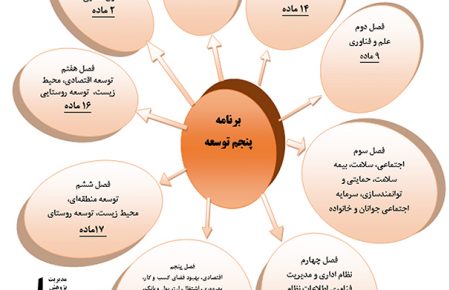 از قانون برنامه پنجم توسعه فرهنگی، اجتماعی و اقتصادی کشور
 از قانون نظام مهندسی و کنترل ساختمان (داوری شورای مرکزی)
 از اساسنامه شرکت سهامی خاص خدمات هوایی پست و مخابرات (پیام)
 از قانون اتاق بازرگانی ایران (تشکیل مرکز داوری اتاق ایران)
 تشکیل نهاد داوری از سوی قوه قضائیه در آیندهای نزدیک
 از قانون اجرای احکام مدنی (اجرای رای داور)
 از قانون اصلاح پاره ای از قوانين دادگستری
 تقاضای ابطال رای داور
 تاثیر اقاله قرارداد بر داوری
 انقضای مدت داوری
 موضوع داوری بیانگر صلاحیت داور
 از قانون برنامه سوم توسعه فرهنگی، اجتماعی و اقتصادی ایران
 ارتباط رای داور با قوانین موجد حق
 سمینار نظارت قضایی بر آرای داوری
 نقدی بر داوری در پیمان
داوری در پیمان
نقدی بر داوری در پیمان
داوری در پیمان
 قانون اساسنامه مرکز داوری اتاق ایران
 از قانون اساسی جمهوری اسلامی ایران و تفاسیر شورای نگهبان قانون اساسی
 از قانون اصلاح موادی از قانون بخش تعاونی اقتصاد جمهوری اسلامی ایران
طبیعت و ماهیت داوری یا حکمیت
از قانون اصلاح موادی از قانون بخش تعاونی اقتصاد جمهوری اسلامی ایران
طبیعت و ماهیت داوری یا حکمیت
 همه مسائل حقوقی؛ قابل ارجاع به داوری
شرح و تحلیل شرط داوری
همه مسائل حقوقی؛ قابل ارجاع به داوری
شرح و تحلیل شرط داوری
 از لایحه قانونی اصلاح قسمتی از قانون تجارت
 از قانون شورای حل اختلاف
 از قانون راجع به منع مداخله وزارء و نمایندگان مجلسین و کارمندان در معاملات دولتی و کشوری
 قانون راجع به اجازه ارجاع به داوری و تعيين داور برای دعاوی عليه بانک ها در خارج از كشور به بانك مركزی ايران
 قانون داوری تجاری بینالمللی
 از قانون حمایت خانواده
 از قانون تاسیس بورس اوراق بهادار
 از قانون پیش فروش ساختمان
 قانون بازار اوراق بهادار جمهوری اسلامی ايران
 از قانون آئین دادرسی دادگاههای عمومی و انقلاب در امور کیفری
داوری در قانون آئین دادرسی مدنی
از قانون آئین دادرسی دادگاههای عمومی و انقلاب در امور کیفری
داوری در قانون آئین دادرسی مدنی
 اهمیت داوری در قراردادهای پیمانکاری
 اهمیت داوری در حقوق ایران
 ابطال رای داوری
اشخاص ممنوع از داوری
ابطال رای داوری
اشخاص ممنوع از داوری
 زوال داوری
از قانون بخش تعاونی اقتصاد جمهوری اسلامی ایران
زوال داوری
از قانون بخش تعاونی اقتصاد جمهوری اسلامی ایران
 از قانون تشويق و حمايت سرمایهگذاری خارجی
 از قانون توسعه ابزارها و نهادهای مالی در راستای اصل چهل و چهارم
 از قانون ایمنی زیستی جمهوری اسلامی ایران
از قانون تشکیل دادگاههای عمومی و انقلاب
از قانون ایمنی زیستی جمهوری اسلامی ایران
از قانون تشکیل دادگاههای عمومی و انقلاب
 قانون اصلاح مقررات مربوط به طلاق
 از قانون برنامه چهارم توسعه فرهنگی، اجتماعی و اقتصادی جمهوری اسلامی ایران
 آئين نامه اجرايی ماده 21 قانون برنامه سوم توسعه اقتصادی و اجتماعی و فرهنگی جمهوري اسلامي ايران
 آییننامه حقالزحمه داوری
 از آئین نامه اجرایی قانون نظام مهندسی و کنترل ساختمان (داوری)
 از آییننامه اجرایی قانون پیشفروش ساختمان
 از آییننامه شرایط عمومی بیمه بدنه وسایل نقلیه
 آییننامه اجرایی تبصره 1 ماده واحده قانون اصلاح مقررات مربوطه به طلاق
 از آییننامه شرایط عمومی بیمهنامه
 آييننامه قانون حفظ و بهرهبرداری از منابع آبزی
 آییننامه میانجیگری در امور کیفری مصوب هیئتوزیران
 آییننامه داوری در بخش تعاونی
 آییننامه داوری در اختلافات تجاری
 آییننامه داوری مركز داوری كانون وكلاء مركز
 آییننامه اجرايی تبصره ذيل ماده 28 قانون اصلاح پارهای از قوانين دادگستری
 آییننامه میانجیگری در امور کیفری، مصوب قوه قضاییه
 چگونگی تراضی طرفین به عزل داور
 تعیین نحوه ابلاغ رای داوری
 داوری در مناقشه گازی ایران و ترکمنستان
 قانون داوری نمونه آنسیترال ۱۹۸۵
 از دستورالعمل حمایت قضایی از سرمایهگذاری
بخشنامه ارجاع اختلاف تعاونیها به اتاق تعاون
از دستورالعمل حمایت قضایی از سرمایهگذاری
بخشنامه ارجاع اختلاف تعاونیها به اتاق تعاون
 بخشنامه رياست جمهوری در مورد داوری اتاق بازرگانی ایران (سال 1382)
 بخشنامه تاکید بر صلاحیت های مرکز داوری
 از شرایط عمومی پیمان
 از تصویبنامه ماده 23 قانون برنامه و بودجه (داوری در قراردادهای عمرانی)
 تصويبنامة هيأت وزيران دربارة تفويض اجازه ارجاع دعاوی راجع به اموال عمومی و دولتی به داوری به كميسيون امور زيربنايی و صنعت
 تصویبنامه در مورد داوری و مصالحه دعاوی راجع به اموال و دولتی
 از تصويب نامه هیات وزيران در مورد روش حل اختلاف در طرحهای عمرانی
 در دعاوی طلاق، در صورت عدم معرفی داور از سوی طرفین، دادگاه اقدام به تعیین داور خواهد کرد.
 لازمالرعایه بودن ارجاع امر به داوری در دعاوی طلاق حتی برای اقلیتهای مذهبی
 اعتبار توافق دو شرکت خصوصی در داوری شورای عالی فنی
 اعتبار ارجاع امر به داوری در موقوفات
 تکلیف دادگاه به اجرای رای داور
 خودداری محکوم علیه از اجرای رای داور
 چگونگی ابلاغ رای داور
 داوری در دعاوی دانشگاه آزاد
 هیئت سه نفره داوری
 دادگاه صالح برای اجرای رای داور
ابلاغ رای داور در موارد سکوت نحوه ابلاغ
دادگاه صالح برای اجرای رای داور
ابلاغ رای داور در موارد سکوت نحوه ابلاغ
 ابلاغ رأی داور از طریق آگهی
 مهلت اجرای رأی داور یا اعتراض به آن
 رفع ابهام یا اجمال از آراء داوری
 ارجاع به داوری در قراردادهای باشگاه استقلال
 رسیدگی به دعوی بطلان رای داوری
 اعتراض به رای داوری در صلاحیت دادگاه
 تکلیف دادگاه به تعیین داور
 اعسار از حق الزحمه داوری
 ارجاع دعاوی مربوط به اموال عمومی به داوری
 داوری در طلاق توافقی
مهلت ها و مواعد اعتراض به رای داور
داوری در طلاق توافقی
مهلت ها و مواعد اعتراض به رای داور
 داوری در روابط موجر و مستاجر
 درخواست ابطال رای داوری در مهلت قانونی
 تکلیف دادگاه پس از ابطال رای داور
 صلاحیت برای داوری
 اجرای رای داور با درخواست ذینفع
قرار ابطال دادخواست طلاق
اجرای رای داور با درخواست ذینفع
قرار ابطال دادخواست طلاق
 صدور رأی پیرامون رأی داور
 انتخاب سردفتران و دفتریاران اسناد رسمی به داوری
 رأی هیئت حل اختلاف آییننامه شورای عالی بیمه
 میانجیگری و صلح (سازش)
توقف اجرای رأی داور
میانجیگری و صلح (سازش)
توقف اجرای رأی داور
 ارجاع درخواست طلاقهای غیر توافقی به داوری
 رأی داوری نسبت به بانکهای دولتی بدون رعایت اصل 139 قانون اساسی بیاعتبار است
 ارجاع دعوی تنفیذ مبایعه نامه به داوری
 دعوی ابطال شرط داوری
 شرط داوری در اساسنامه شرکت
 داوری اعضای هیات مدیره شرکت
 داوری مشاور حقوقی
 جلسه داوری خارج از دادگاه
 غیابی بودن رای داوری
 عدول از ارجاع امر به داوری
قاعده فراغ در داوری
عدول از ارجاع امر به داوری
قاعده فراغ در داوری
 مطالبه دستمزد داوری
اعتراض به رای داوری
تعیین یکی از طرفین بعنوان داور
مطالبه دستمزد داوری
اعتراض به رای داوری
تعیین یکی از طرفین بعنوان داور
 شرط داوری در قرارداد با شهرداریها
 داوری در قانون مجازات اسلامی
 توسعه نهاد داوری
 داوری در تجارت بین الملل
 برگزاری دوره جامع آموزش داوری
ویژگی های شرط داوری
برگزاری دوره جامع آموزش داوری
ویژگی های شرط داوری
 داوری و مزیت های داوری
 ممنوعیت کارمندان دولت از داوری
 آئین نامه هزینه داوری در “ایران داوری”
 نحوه اجرای رای داور در داوری داخلی
 نگارش رای داوری
نمونه شرط داوری
نگارش رای داوری
نمونه شرط داوری
 داوری بین المللی و خارجی
 آییننامه تشکیلات مرکز ایران داوری
شرایط داور مرضی الطرفین
آییننامه تشکیلات مرکز ایران داوری
شرایط داور مرضی الطرفین
 استقلال شرط داوری
 تعیین داور توسط مقام ناصب
 نحوه قیمت گذاری گاز طبیعی
 جایگاه داوری در حقوق ایران و فقه
 مسئولیت داور در ایران و برخی کشورها
 تکلیف داور به تبعیت از قرارداد
 غیر مالی بودن دعوای ابطال رای داور
 داوری شورای عالی معادن
ارجاع دعاوی و اختلافات موقوفه به داوری
داوری شورای عالی معادن
ارجاع دعاوی و اختلافات موقوفه به داوری
 داوری در موافقتنامه چابهار
 اجرای احکام داوری بین ایران و چین
نمونه لایحه قوی در دعوای ابطال رای داور
اجرای احکام داوری بین ایران و چین
نمونه لایحه قوی در دعوای ابطال رای داور
 ضرورت توسعه داوری
 مزایای داوری برای وکلای دادگستری
لایحه جامع داوری
ابطال رای داور مرضی الطرفین
مزایای داوری برای وکلای دادگستری
لایحه جامع داوری
ابطال رای داور مرضی الطرفین
 تعیین داور مرضی الطرفین
 مزایای انتخاب داور نسبت به قاضی دادگستری
 مالیات وکیل در پرونده های داوری
دادخواست تعیین داور
انتخاب داور به وسیله دادگاه
مالیات وکیل در پرونده های داوری
دادخواست تعیین داور
انتخاب داور به وسیله دادگاه
 ابلاغ رأی داوری – تعیین و حساب مواعد
 داوری در قراردادها
مسئولیت داور
داوری در قراردادها
مسئولیت داور
 داوری بین المللی
 تعداد داوران در قوانین ایران
 موارد مداخله دادگاه در نصب داور
 اخذ قبولی داور
 استعفای داور
 عزل داور
آیین داوری ایران داوری
عزل داور
آیین داوری ایران داوری
 انتخاب داور بوسیله شخص ثالث یا دادگاه
 داوری در اختلافات و دعاوی بین ایرانیان و اتباع خارجی
 داوری در معاملات املاک
 نمونه شرط داوری در قراردادها و معاملات املاک
 مرکز داوری اتاق اصناف ایران
 داوری شرکت ها در روابط و اختلافات تجاری
 اعتبار شرط داوری در اساسنامه شرکت های تعاونی
 داوری شورای شهر در اختلافات شهرداری ها با اشخاص
 آموزش نحوه نگارش رای داوری
 داوری مدیران شرکت ها در دعاوی شرکت ها
 داوری شورای اسلامی شهر در دعاوی و معاملات شهرداری ها
 انصراف از داوری
 کارگاه آموزشی داوری در معاملات املاک
 داوری الکترونیکی