- سبد خرید خالی است.




The notion of a ‘lucky star’ has resonated throughout human history, often representing an alignment of fate or an external force guiding individuals toward favorable outcomes. From ancient astrology to modern-day wishful thinking, the idea that our lives are influenced by celestial events and serendipitous moments continues to captivate us. This belief isn’t merely about passively waiting for good fortune; it’s about recognizing opportunities, cultivating optimism, and understanding the role of chance in achieving fulfillment. The concept often sparks contemplation on whether we create our own luck, or if it is bestowed upon us by something beyond our comprehension.
The human desire to find meaning in random occurrences is a powerful one. We seek patterns, assigning significance to coincidences, and interpreting signs as evidence of a larger plan. Whether one subscribes to a spiritual worldview, a belief in cosmic energies, or simply appreciates the beauty of probability, the idea of a guiding influence – a favorable astral presence if you will – provides comfort and encouragement when navigating life’s uncertainties. Examining this enduring idea reveals much about the human psyche and our relationship with the universe.
Throughout recorded history, civilizations have looked to the stars for guidance and prophecy. In ancient Mesopotamia, astrologers meticulously charted the movements of celestial bodies, believing they held the key to understanding earthly events and individual destinies. The Egyptians associated specific stars with their gods and goddesses, embedding them within their elaborate mythology and religious practices. This practice wasn't limited to just the prediction of events, but also the determination of auspicious times for important undertakings, such as the founding of cities, the commencement of wars, or even the birth of a child. The celestial realm was seen as intrinsically linked to the terrestrial one – a divine blueprint influencing all aspects of existence.
The Greeks adopted and further developed Mesopotamian astronomy, integrating it with their philosophical traditions. Philosophers like Aristotle proposed models of the universe and argued for the existence of a prime mover – an ultimate source of order and energy. The concept of fate, often intertwined with the positions of stars at the moment of birth, dominated much of Greek thought. This influenced Roman beliefs, and eventually spread throughout Europe during the Middle Ages. Even with the rise of scientific inquiry during the Renaissance, astrological beliefs stubbornly persisted, often coexisting alongside emerging scientific theories. The enduring appeal of stellar influence demonstrates a fundamental human need to find order and predictability in a seemingly chaotic world.
Beyond its role in prophecy and religion, the study of the stars was crucial for practical purposes, particularly navigation. Seafarers relied on celestial bodies, like the North Star, to determine their location and chart their courses across vast oceans. This practical application further cemented the importance of the stars in human consciousness. Furthermore, stellar patterns and constellations gave rise to a rich tapestry of myths and legends, shaping cultural narratives across diverse societies. These stories served not only as entertainment but also as moral lessons, explaining the origins of the world and defining the values of a particular culture. The ‘lucky star’ often features as a benevolent force, aiding heroes on their quests or protecting communities from harm.
| Mesopotamia | Astrology, destiny determined by star positions | Agricultural calendars based on celestial events |
| Ancient Egypt | Stars associated with gods and goddesses | Nile flooding predicted by the heliacal rising of Sirius |
| Ancient Greece | Astrology, fate, philosophical models of the universe | Navigation, calendar systems |
| Polynesia | Wayfinding using star compasses | Oceanic navigation, preserving ancestral knowledge |
This table illustrates how interconnected belief systems and practical applications were in different societies throughout history when it came to understanding the stars and their potential influence on human affairs.
The belief in a ‘lucky star’ isn’t solely rooted in ancient traditions; it also taps into fundamental psychological principles. Positive expectation – the anticipation of favorable outcomes – has been shown to influence behavior and ultimately increase the likelihood of success. When individuals believe they are destined for good fortune, they are more likely to take risks, persist in the face of challenges, and actively seek out opportunities. This self-fulfilling prophecy demonstrates the power of mindset. A person convinced they possess a ‘lucky star’ is subconsciously driven to create circumstances that validate that belief. This isn't about magical thinking, but about the inherent human capacity for optimism and resilience.
Moreover, attributing success to luck can have both positive and negative consequences. While it can foster gratitude and humility, it can also lead to complacency and a lack of accountability. Conversely, attributing failures to bad luck can protect self-esteem, allowing individuals to learn from their mistakes without succumbing to self-doubt. The key lies in finding a balance – acknowledging the role of chance while simultaneously taking responsibility for one’s actions and striving for continuous improvement. The idea of a ‘lucky star’ can be a source of encouragement, but it should not be used as an excuse for inaction or a denial of personal agency.
Several cognitive biases contribute to our perception of luck and the tendency to identify patterns where none may exist. Confirmation bias, for example, leads us to selectively notice and remember information that confirms our existing beliefs, while dismissing evidence that contradicts them. If someone believes they have a ‘lucky star,’ they are more likely to focus on positive coincidences and overlook negative ones. Similarly, the availability heuristic causes us to overestimate the likelihood of events that are easily recalled, often because they are emotionally salient or unusual. A particularly fortunate event – winning a lottery, for example – might be remembered vividly and lead to a generalized belief in one’s luckiness.
Understanding these cognitive biases can help us to temper our interpretations of luck and to avoid making irrational decisions based on flawed assumptions. They demonstrate that our perception of good fortune is often shaped by the way our brains process information, rather than by the objective reality of events.
While the concept of a ‘lucky star’ may seem ethereal, there are practical steps individuals can take to cultivate a mindset that attracts positive opportunities and enhances their overall well-being. One of the most effective strategies is practicing gratitude. Regularly acknowledging the good things in one’s life – no matter how small – shifts focus away from negativity and fosters a sense of contentment. This, in turn, increases resilience and strengthens one's ability to cope with challenges. A grateful mindset is also more open to recognizing and appreciating serendipitous moments, which might otherwise be overlooked. This approach isn't simply about pretending to be happy; it’s about consciously choosing to focus on the positive aspects of life.
Another crucial element is embracing a growth mindset – the belief that abilities and intelligence can be developed through dedication and hard work. Individuals with a growth mindset are more likely to view setbacks as learning opportunities, rather than as evidence of their inadequacy. This resilience is essential for navigating the inevitable ups and downs of life. Furthermore, actively seeking out new experiences and stepping outside of one’s comfort zone expands horizons and increases the likelihood of encountering unexpected opportunities. A ‘lucky’ life isn’t simply about waiting for good things to happen; it’s about actively creating the conditions for good fortune to emerge.
Building resilience requires developing strong coping mechanisms for dealing with stress and adversity. This might involve practicing mindfulness, engaging in regular physical exercise, or seeking support from friends and family. Openness to opportunity necessitates cultivating a curious and receptive attitude. This means being willing to explore new ideas, to challenge one's assumptions, and to embrace change. It also involves actively networking and building relationships with diverse individuals. The more connections one has, the greater the potential for serendipitous encounters and unexpected collaborations. Essentially, creating a ‘lucky’ life requires a proactive and intentional approach – a commitment to personal growth and a willingness to embrace the unknown.
These steps, while seemingly simple, require consistent effort and a genuine desire for self-improvement. By incorporating them into daily life, individuals can actively shape their own destinies and increase their chances of experiencing a life filled with fulfillment and purpose.
The debate between chance and agency in determining life outcomes is a longstanding one. While it’s tempting to attribute success entirely to hard work and determination, or conversely, to dismiss setbacks as mere bad luck, the reality is far more nuanced. Both factors – external circumstances and personal choices – play a significant role. We cannot control every event that unfolds in our lives, and unforeseen circumstances will invariably arise. However, we can control our responses to those circumstances, and we can actively shape our own trajectories through our choices and actions.
The concept of a ‘lucky star’ can be reinterpreted as a metaphor for recognizing and capitalizing on opportunities when they arise. It’s not about waiting for fate to deliver good fortune on a silver platter; it’s about being prepared to seize the moment when it presents itself. This requires a combination of optimism, resourcefulness, and a willingness to take calculated risks. Ultimately, the key lies in embracing a sense of agency – the belief that we have the power to influence our own lives – while simultaneously acknowledging the role of chance and accepting the inevitability of uncertainty. Success is often a blend of preparedness and serendipity.
The enduring appeal of a ‘lucky star’ speaks to a deeply human need for hope and meaning. In times of uncertainty or adversity, the belief in a benevolent force guiding us can provide comfort and strength. It’s a reminder that even in the darkest of moments, there is always the possibility of a brighter future. This isn’t necessarily about religious or supernatural convictions; it’s about a fundamental human tendency to seek out patterns and narratives that lend coherence to our experiences. The ‘lucky star’ represents more than just good fortune; it embodies the possibility of transcendence and the enduring power of the human spirit.
Consider the story of a struggling entrepreneur who, despite facing numerous setbacks, perseveres with unwavering determination. They might attribute their eventual success to a ‘lucky star,’ but in reality, their achievement is likely the result of their resilience, adaptability, and sheer force of will. The ‘lucky star’ is, in this case, a metaphor for their inner strength and their unwavering belief in their vision. This demonstrates how deeply ingrained this concept is in human narratives and the universal desire for a favorable outcome, regardless of the obstacles encountered. It is this positive outlook that often sets the stage for genuine luck to manifest.

 داوری اتاق تعاون
 از مصوبات شورای عالی ترابری ایران
 اصل ۱۳۹ قانون اساسی برای داوری
 استعفای داور و تأثیر آن بر داوری
 اعتراض به رای داور و درخواست بطلان آن دعوی مالی نیست
 داوری بین شرکت های تعاونی
 ارجاع به داوری در قراردادهای پیمان
 داوری در حقوق مالکیت فکری
 داوری در شرکت های با مسئولیت محدود
 داوری در اتاق تعاون
 داوری در آئین دادرسی مدنی
 زایل شدن شرط داوری به سبب اقاله یا تفاسخ اصل قرارداد
 اهلیت ارجاع اختلاف به داوری
 شرح و تحلیل ماده ۴۵۴
 اساسنامه دیوان بینالمللی دادگستری
 قانون موافقتنامه بین دولت جمهوری اسلامی ایران و کمیته حقوقی مشورتی آسیایی – آفریقایی راجع به ایجاد مرکز منطقهای داوری در تهران
 کنوانسیون شناسایی و اجرای احکام داوری خارجی
 قوه قضاییه، مکلف به تلاش برای حل و فصل اختلافات از طریق داوری شد
 کانون داوری قوه قضائیه در استان یزد، ایجاد می شود
 راه اندازی مرکز داوری در کانون وکلای دادگستری مرکز
 صلاحیت محلی در داوری
 برای اجرای رای داور، عشریه اجرایی نباید دریافت شود
 اجرای رای داوری که طی سند رسمی به داوری، انتخاب شده باشد از طریق اجرای ثبت، ممکن نیست
 غیر مالی بودن دعوی ابطال رای داور
 زایل شدن شرط داوری، اشکالی ندارد
 داوری نهاد مدرن حل اختلاف
 سرعت در رسیدگی داوری
 داور قاضی متخصص و منتخب شما
 از قانون برنامه ششم توسعه فرهنگی، اجتماعی و اقتصادی ایران
 از قانون اجرای سیاست های کلی اصل ۴۴ قانون اساسی ایران
 از قانون برنامه سوم توسعه فرهنگی، اجتماعی و اقتصادی جمهوری اسلامی ایران
 از سیاست های کلی نظام
 روش تعیین داور
 از قانون برنامه پنجم توسعه فرهنگی، اجتماعی و اقتصادی کشور
 از قانون نظام مهندسی و کنترل ساختمان (داوری شورای مرکزی)
 از اساسنامه شرکت سهامی خاص خدمات هوایی پست و مخابرات (پیام)
 از قانون اتاق بازرگانی ایران (تشکیل مرکز داوری اتاق ایران)
 تشکیل نهاد داوری از سوی قوه قضائیه در آیندهای نزدیک
 از قانون اجرای احکام مدنی (اجرای رای داور)
 از قانون اصلاح پاره ای از قوانین دادگستری
 تقاضای ابطال رای داور
 تاثیر اقاله قرارداد بر داوری
 انقضای مدت داوری
 موضوع داوری بیانگر صلاحیت داور
 از قانون برنامه سوم توسعه فرهنگی، اجتماعی و اقتصادی ایران
 ارتباط رای داور با قوانین موجد حق
 سمینار نظارت قضایی بر آرای داوری
 نقدی بر داوری در پیمان
داوری در پیمان
نقدی بر داوری در پیمان
داوری در پیمان
 قانون اساسنامه مرکز داوری اتاق ایران
 از قانون اساسی جمهوری اسلامی ایران و تفاسیر شورای نگهبان قانون اساسی
 از قانون اصلاح موادی از قانون بخش تعاونی اقتصاد جمهوری اسلامی ایران
طبیعت و ماهیت داوری یا حکمیت
از قانون اصلاح موادی از قانون بخش تعاونی اقتصاد جمهوری اسلامی ایران
طبیعت و ماهیت داوری یا حکمیت
 همه مسائل حقوقی؛ قابل ارجاع به داوری
شرح و تحلیل شرط داوری
همه مسائل حقوقی؛ قابل ارجاع به داوری
شرح و تحلیل شرط داوری
 از لایحه قانونی اصلاح قسمتی از قانون تجارت
 از قانون شورای حل اختلاف
 از قانون راجع به منع مداخله وزارء و نمایندگان مجلسین و کارمندان در معاملات دولتی و کشوری
 قانون راجع به اجازه ارجاع به داوری و تعیین داور برای دعاوی علیه بانک ها در خارج از کشور به بانک مرکزی ایران
 قانون داوری تجاری بینالمللی
 از قانون حمایت خانواده
 از قانون تاسیس بورس اوراق بهادار
 از قانون پیش فروش ساختمان
 قانون بازار اوراق بهادار جمهوری اسلامی ایران
 از قانون آئین دادرسی دادگاههای عمومی و انقلاب در امور کیفری
داوری در قانون آئین دادرسی مدنی
از قانون آئین دادرسی دادگاههای عمومی و انقلاب در امور کیفری
داوری در قانون آئین دادرسی مدنی
 اهمیت داوری در قراردادهای پیمانکاری
 اهمیت داوری در حقوق ایران
 ابطال رای داوری
اشخاص ممنوع از داوری
ابطال رای داوری
اشخاص ممنوع از داوری
 زوال داوری
از قانون بخش تعاونی اقتصاد جمهوری اسلامی ایران
زوال داوری
از قانون بخش تعاونی اقتصاد جمهوری اسلامی ایران
 از قانون تشویق و حمایت سرمایهگذاری خارجی
 از قانون توسعه ابزارها و نهادهای مالی در راستای اصل چهل و چهارم
 از قانون ایمنی زیستی جمهوری اسلامی ایران
از قانون تشکیل دادگاههای عمومی و انقلاب
از قانون ایمنی زیستی جمهوری اسلامی ایران
از قانون تشکیل دادگاههای عمومی و انقلاب
 قانون اصلاح مقررات مربوط به طلاق
 از قانون برنامه چهارم توسعه فرهنگی، اجتماعی و اقتصادی جمهوری اسلامی ایران
 آئین نامه اجرایی ماده ۲۱ قانون برنامه سوم توسعه اقتصادی و اجتماعی و فرهنگی جمهوری اسلامی ایران
 آییننامه حقالزحمه داوری
 از آئین نامه اجرایی قانون نظام مهندسی و کنترل ساختمان (داوری)
 از آییننامه اجرایی قانون پیشفروش ساختمان
 از آییننامه شرایط عمومی بیمه بدنه وسایل نقلیه
 آییننامه اجرایی تبصره ۱ ماده واحده قانون اصلاح مقررات مربوطه به طلاق
 از آییننامه شرایط عمومی بیمهنامه
 آییننامه قانون حفظ و بهرهبرداری از منابع آبزی
 آییننامه میانجیگری در امور کیفری مصوب هیئتوزیران
 آییننامه داوری در بخش تعاونی
 آییننامه داوری در اختلافات تجاری
 آییننامه داوری مرکز داوری کانون وکلاء مرکز
 آییننامه اجرایی تبصره ذیل ماده ۲۸ قانون اصلاح پارهای از قوانین دادگستری
 آییننامه میانجیگری در امور کیفری، مصوب قوه قضاییه
 چگونگی تراضی طرفین به عزل داور
 تعیین نحوه ابلاغ رای داوری
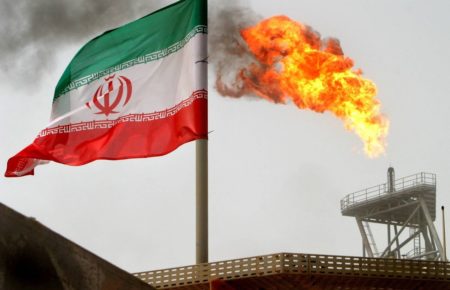 داوری در مناقشه گازی ایران و ترکمنستان
 قانون داوری نمونه آنسیترال ۱۹۸۵
 از دستورالعمل حمایت قضایی از سرمایهگذاری
بخشنامه ارجاع اختلاف تعاونیها به اتاق تعاون
از دستورالعمل حمایت قضایی از سرمایهگذاری
بخشنامه ارجاع اختلاف تعاونیها به اتاق تعاون
 بخشنامه ریاست جمهوری در مورد داوری اتاق بازرگانی ایران (سال ۱۳۸۲)
 بخشنامه تاکید بر صلاحیت های مرکز داوری
 از شرایط عمومی پیمان
 از تصویبنامه ماده ۲۳ قانون برنامه و بودجه (داوری در قراردادهای عمرانی)
 تصویبنامه هیأت وزیران درباره تفویض اجازه ارجاع دعاوی راجع به اموال عمومی و دولتی به داوری به کمیسیون امور زیربنایی و صنعت
 تصویبنامه در مورد داوری و مصالحه دعاوی راجع به اموال و دولتی
 از تصویب نامه هیات وزیران در مورد روش حل اختلاف در طرحهای عمرانی
 در دعاوی طلاق، در صورت عدم معرفی داور از سوی طرفین، دادگاه اقدام به تعیین داور خواهد کرد.
 لازمالرعایه بودن ارجاع امر به داوری در دعاوی طلاق حتی برای اقلیتهای مذهبی
 اعتبار توافق دو شرکت خصوصی در داوری شورای عالی فنی
 اعتبار ارجاع امر به داوری در موقوفات
 تکلیف دادگاه به اجرای رای داور
 خودداری محکوم علیه از اجرای رای داور
 چگونگی ابلاغ رای داور
 داوری در دعاوی دانشگاه آزاد
 هیئت سه نفره داوری
 دادگاه صالح برای اجرای رای داور
ابلاغ رای داور در موارد سکوت نحوه ابلاغ
دادگاه صالح برای اجرای رای داور
ابلاغ رای داور در موارد سکوت نحوه ابلاغ
 ابلاغ رأی داور از طریق آگهی
 مهلت اجرای رأی داور یا اعتراض به آن
 رفع ابهام یا اجمال از آراء داوری
 ارجاع به داوری در قراردادهای باشگاه استقلال
 رسیدگی به دعوی بطلان رای داوری
 اعتراض به رای داوری در صلاحیت دادگاه
 تکلیف دادگاه به تعیین داور
 اعسار از حق الزحمه داوری
 ارجاع دعاوی مربوط به اموال عمومی به داوری
 داوری در طلاق توافقی
مهلت ها و مواعد اعتراض به رای داور
داوری در طلاق توافقی
مهلت ها و مواعد اعتراض به رای داور
 داوری در روابط موجر و مستاجر
 درخواست ابطال رای داوری در مهلت قانونی
 تکلیف دادگاه پس از ابطال رای داور
 صلاحیت برای داوری
 اجرای رای داور با درخواست ذینفع
قرار ابطال دادخواست طلاق
اجرای رای داور با درخواست ذینفع
قرار ابطال دادخواست طلاق
 صدور رأی پیرامون رأی داور
 انتخاب سردفتران و دفتریاران اسناد رسمی به داوری
 رأی هیئت حل اختلاف آییننامه شورای عالی بیمه
 میانجیگری و صلح (سازش)
توقف اجرای رأی داور
میانجیگری و صلح (سازش)
توقف اجرای رأی داور
 ارجاع درخواست طلاقهای غیر توافقی به داوری
 رأی داوری نسبت به بانکهای دولتی بدون رعایت اصل ۱۳۹ قانون اساسی بیاعتبار است
 ارجاع دعوی تنفیذ مبایعه نامه به داوری
 دعوی ابطال شرط داوری
 شرط داوری در اساسنامه شرکت
 داوری اعضای هیات مدیره شرکت
 داوری مشاور حقوقی
 جلسه داوری خارج از دادگاه
 غیابی بودن رای داوری
 عدول از ارجاع امر به داوری
قاعده فراغ در داوری
عدول از ارجاع امر به داوری
قاعده فراغ در داوری
 مطالبه دستمزد داوری
اعتراض به رای داوری
تعیین یکی از طرفین بعنوان داور
مطالبه دستمزد داوری
اعتراض به رای داوری
تعیین یکی از طرفین بعنوان داور
 شرط داوری در قرارداد با شهرداریها
 داوری در قانون مجازات اسلامی
 توسعه نهاد داوری
 داوری در تجارت بین الملل
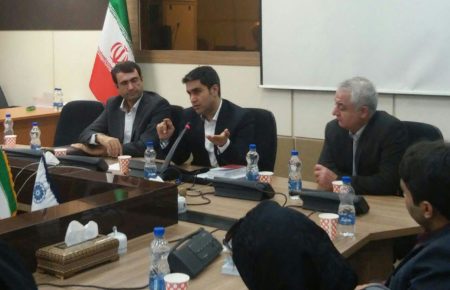 برگزاری دوره جامع آموزش داوری
ویژگی های شرط داوری
برگزاری دوره جامع آموزش داوری
ویژگی های شرط داوری
 داوری و مزیت های داوری
 ممنوعیت کارمندان دولت از داوری
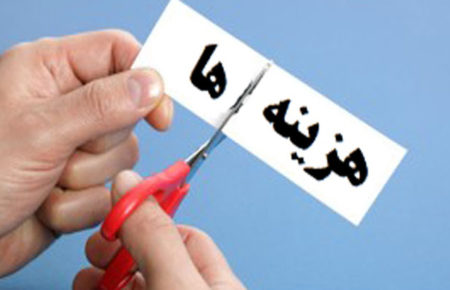 آئین نامه هزینه داوری در “ایران داوری”
 نحوه اجرای رای داور در داوری داخلی
 نگارش رای داوری
نمونه شرط داوری
نگارش رای داوری
نمونه شرط داوری
 داوری بین المللی و خارجی
 آییننامه تشکیلات مرکز ایران داوری
شرایط داور مرضی الطرفین
آییننامه تشکیلات مرکز ایران داوری
شرایط داور مرضی الطرفین
 استقلال شرط داوری
 تعیین داور توسط مقام ناصب
 نحوه قیمت گذاری گاز طبیعی
 جایگاه داوری در حقوق ایران و فقه
 مسئولیت داور در ایران و برخی کشورها
 تکلیف داور به تبعیت از قرارداد
 غیر مالی بودن دعوای ابطال رای داور
 داوری شورای عالی معادن
ارجاع دعاوی و اختلافات موقوفه به داوری
داوری شورای عالی معادن
ارجاع دعاوی و اختلافات موقوفه به داوری
 داوری در موافقتنامه چابهار
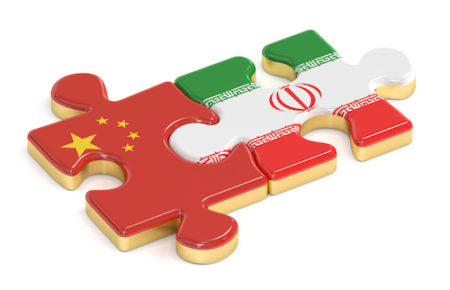 اجرای احکام داوری بین ایران و چین
نمونه لایحه قوی در دعوای ابطال رای داور
اجرای احکام داوری بین ایران و چین
نمونه لایحه قوی در دعوای ابطال رای داور
 ضرورت توسعه داوری
 مزایای داوری برای وکلای دادگستری
لایحه جامع داوری
ابطال رای داور مرضی الطرفین
مزایای داوری برای وکلای دادگستری
لایحه جامع داوری
ابطال رای داور مرضی الطرفین
 تعیین داور مرضی الطرفین
 مزایای انتخاب داور نسبت به قاضی دادگستری
 مالیات وکیل در پرونده های داوری
دادخواست تعیین داور
انتخاب داور به وسیله دادگاه
مالیات وکیل در پرونده های داوری
دادخواست تعیین داور
انتخاب داور به وسیله دادگاه
 ابلاغ رأی داوری – تعیین و حساب مواعد
 داوری در قراردادها
مسئولیت داور
داوری در قراردادها
مسئولیت داور
 داوری بین المللی
 تعداد داوران در قوانین ایران
 موارد مداخله دادگاه در نصب داور
 اخذ قبولی داور
 استعفای داور
 عزل داور
آیین داوری ایران داوری
عزل داور
آیین داوری ایران داوری
 انتخاب داور بوسیله شخص ثالث یا دادگاه
 داوری در اختلافات و دعاوی بین ایرانیان و اتباع خارجی
 داوری در معاملات املاک
 نمونه شرط داوری در قراردادها و معاملات املاک
 مرکز داوری اتاق اصناف ایران
 داوری شرکت ها در روابط و اختلافات تجاری
 اعتبار شرط داوری در اساسنامه شرکت های تعاونی
 داوری شورای شهر در اختلافات شهرداری ها با اشخاص
 آموزش نحوه نگارش رای داوری
 داوری مدیران شرکت ها در دعاوی شرکت ها
 داوری شورای اسلامی شهر در دعاوی و معاملات شهرداری ها
 انصراف از داوری
 کارگاه آموزشی داوری در معاملات املاک
 داوری الکترونیکی