- سبد خرید خالی است.




Creating a welcoming and functional home is a universal desire, and in the United Kingdom, achieving this often involves seeking out quality products and inspiring designs. Many homeowners are turning to online resources for ideas and purchasing options, and one such platform gaining prominence is bonrushs-uk.uk. This site offers a curated selection of furniture, décor, and home accessories, aiming to help individuals transform their living spaces into havens of comfort and style. The modern approach to interior design emphasizes personalization, and finding the right pieces to reflect individual tastes is more accessible than ever.
The core of successful home design lies not just in aesthetics, but also in practicality and longevity. Investing in well-made items, considering space limitations, and thoughtfully planning layouts are all crucial elements. Consumers are increasingly focused on sustainability and ethical sourcing, actively looking for brands that align with their values. A key benefit of platforms like bonrushs-uk.uk is the convenience of browsing a diverse range of options from the comfort of one’s home, and easily comparing styles and prices. This convenience empowers homeowners to make informed decisions that suit their budgets and preferences.
The living room has long been considered the heart of the home, and its design has undergone significant transformations over the decades. Traditionally, living rooms were formal spaces reserved for special occasions, often featuring ornate furniture and a restrained color palette. However, contemporary living room design prioritizes comfort, functionality, and a relaxed atmosphere. Open-plan layouts have become increasingly popular, seamlessly integrating the living room with the kitchen and dining areas, creating a more social and inclusive environment. This shift reflects a change in lifestyle, with homeowners spending more time at home and using the living room for a variety of activities, from family movie nights to entertaining guests. The emphasis is now on creating a space that is both stylish and livable.
A crucial aspect of living room design is establishing a focal point – an element that immediately draws the eye and anchors the space. This could be a fireplace, a large window with a stunning view, or a statement piece of artwork. Around this focal point, the rest of the furniture and décor should be arranged to create a balanced and harmonious composition. Consider the scale of the focal point in relation to the size of the room; a large fireplace might overwhelm a small living room, while a small piece of art might get lost in a large space. Experiment with different arrangements until you find a layout that feels visually appealing and comfortable. Lighting can also play a vital role in highlighting the focal point and creating a specific mood.
| Minimalist | Clean lines, neutral colors, uncluttered spaces, focus on functionality. |
| Scandinavian | Light woods, neutral tones, cozy textures, emphasis on natural light. |
| Bohemian | Eclectic mix of colors, patterns, and textures, vintage furniture, relaxed vibe. |
| Rustic | Natural materials, exposed beams, earthy tones, cozy and inviting atmosphere. |
When selecting furniture for your living room, consider both style and comfort. A comfortable sofa is essential, and it should be chosen based on the size of the room and the number of people who will be using it regularly. Accent chairs can add visual interest and provide additional seating. Coffee tables and side tables are practical necessities, and they can also serve as decorative elements. Don't be afraid to mix and match different styles and textures to create a unique and personalized look.
The bedroom is arguably the most important room in the house, as it serves as a sanctuary for rest and rejuvenation. Creating a peaceful and inviting bedroom environment is essential for promoting good sleep and overall well-being. Color plays a significant role in bedroom design, with calming and soothing shades like blues, greens, and neutrals being popular choices. Avoid bright and stimulating colors that can interfere with sleep. The layout of the bedroom should also be carefully considered, with the bed positioned in a way that maximizes comfort and minimizes distractions. Good lighting is also crucial, with a combination of ambient, task, and accent lighting to create a relaxing atmosphere. Clutter should be minimized, as a tidy bedroom promotes a sense of calm and order.
The quality of your bedding can significantly impact your sleep. Invest in comfortable and breathable materials like cotton, linen, or silk. A good mattress is also essential, and it should be chosen based on your personal preferences and sleep position. Layering bedding allows you to adjust to different temperatures and provides added comfort. Consider adding a duvet cover, throw pillows, and a throw blanket to create a cozy and inviting bed. Textiles such as curtains, rugs, and upholstery can also contribute to the overall atmosphere of the bedroom. Choose fabrics that are soft and comfortable to the touch, and that complement the color scheme of the room.
Beyond the bed itself, think about incorporating elements that promote relaxation and mindfulness. Consider adding a comfortable reading chair, a small bedside table with a lamp, and a few personal touches like photos or artwork. Aromatherapy diffusers with calming essential oils can also create a soothing atmosphere. Remember, the goal is to create a bedroom that feels like a personal retreat, a space where you can escape the stresses of daily life and recharge your batteries.
The kitchen and dining room are often considered the social hubs of the home, and creating a cohesive design between these two spaces is essential for fostering a sense of connection and togetherness. Open-plan layouts can seamlessly integrate the kitchen and dining room, creating a more spacious and inviting atmosphere. However, even in separate spaces, it's important to maintain a consistent style and color scheme. The kitchen should be functional and well-equipped, with ample storage space and easy-to-clean surfaces. The dining room should be comfortable and inviting, with a table and chairs that can accommodate family meals and gatherings. Lighting plays a crucial role in both spaces, with task lighting in the kitchen and ambient lighting in the dining room.
Effective kitchen storage is essential for maintaining a clutter-free and organized space. Consider maximizing vertical space with tall cabinets and shelving units. Pull-out drawers and organizers can make it easier to access items in deep cabinets. Utilize wall space by installing pot racks and spice racks. Island counters can provide additional storage and workspace. Declutter regularly and get rid of items you no longer use. A well-organized kitchen is not only more efficient but also more enjoyable to cook and spend time in. Invest in quality storage containers to keep food fresh and organized.
When it comes to choosing furniture for the dining room, consider the size of the space and the number of people you typically entertain. A rectangular table is a good choice for larger families, while a round table can create a more intimate and conversational atmosphere. Comfortable chairs are essential, and they should be chosen based on the style of the room and the height of the table. Consider adding a sideboard or buffet for additional storage and serving space. A stylish chandelier or pendant light can add a touch of elegance to the dining room.
Accessories and finishing touches are the elements that truly personalize a home and bring a design scheme to life. Artwork, rugs, curtains, cushions, and plants can all add color, texture, and visual interest to a space. When choosing accessories, consider the overall style of the room and select items that complement the existing décor. Don’t be afraid to mix and match different styles and textures to create a unique and eclectic look. Artwork should be chosen based on personal preference, and it can range from paintings and sculptures to photographs and prints. Rugs can define a space and add warmth and comfort. Curtains can provide privacy and block out light. Cushions can add color and texture to sofas and chairs.
Plants can bring a touch of nature indoors and improve air quality. Choose plants that are appropriate for the amount of light and humidity in the room. Consider adding a few statement pieces, such as a large vase or a unique sculpture, to create focal points. Pay attention to the details, such as the hardware on furniture and the finishes on light fixtures. Small touches can make a big difference in the overall look and feel of a room. Remember, the goal is to create a space that reflects your personality and style.
While it’s tempting to follow the latest design trends, creating a home that feels truly timeless and enduring requires a different approach. Focusing on quality materials, classic silhouettes, and neutral color palettes can ensure that your home remains stylish for years to come. Investing in well-made furniture and accessories is a smart long-term investment, as these items will last longer and require less frequent replacement. Neutrals, such as whites, grays, and beiges, provide a versatile backdrop for adding pops of color and texture through accessories. Classic furniture styles, such as Chippendale and Queen Anne, have stood the test of time and continue to be popular choices. Avoid overly trendy items that may quickly fall out of favor.
Ultimately, the most important aspect of home design is creating a space that feels comfortable, functional, and welcoming. Consider a specific case – a family inheriting a Victorian home. Rather than attempting a modern overhaul, embracing the home’s inherent character with restored features, period-appropriate lighting, and a carefully curated collection of antique and vintage furniture would create a living space filled with warmth and story. This approach, prioritizing authenticity and timelessness over fleeting trends, yields a home brimming with personality and lasting appeal. It's about crafting a space that supports your lifestyle and reflects your values, ensuring it remains a cherished sanctuary for generations to come.

 داوری اتاق تعاون
 از مصوبات شورای عالی ترابری ایران
 اصل ۱۳۹ قانون اساسی برای داوری
 استعفای داور و تأثیر آن بر داوری
 اعتراض به رای داور و درخواست بطلان آن دعوی مالی نیست
 داوری بین شرکت های تعاونی
 ارجاع به داوری در قراردادهای پیمان
 داوری در حقوق مالکیت فکری
 داوری در شرکت های با مسئولیت محدود
 داوری در اتاق تعاون
 داوری در آئین دادرسی مدنی
 زایل شدن شرط داوری به سبب اقاله یا تفاسخ اصل قرارداد
 اهلیت ارجاع اختلاف به داوری
 شرح و تحلیل ماده ۴۵۴
 اساسنامه دیوان بینالمللی دادگستری
 قانون موافقتنامه بین دولت جمهوری اسلامی ایران و کمیته حقوقی مشورتی آسیایی – آفریقایی راجع به ایجاد مرکز منطقهای داوری در تهران
 کنوانسیون شناسایی و اجرای احکام داوری خارجی
 قوه قضاییه، مکلف به تلاش برای حل و فصل اختلافات از طریق داوری شد
 کانون داوری قوه قضائیه در استان یزد، ایجاد می شود
 راه اندازی مرکز داوری در کانون وکلای دادگستری مرکز
 صلاحیت محلی در داوری
 برای اجرای رای داور، عشریه اجرایی نباید دریافت شود
 اجرای رای داوری که طی سند رسمی به داوری، انتخاب شده باشد از طریق اجرای ثبت، ممکن نیست
 غیر مالی بودن دعوی ابطال رای داور
 زایل شدن شرط داوری، اشکالی ندارد
 داوری نهاد مدرن حل اختلاف
 سرعت در رسیدگی داوری
 داور قاضی متخصص و منتخب شما
 از قانون برنامه ششم توسعه فرهنگی، اجتماعی و اقتصادی ایران
 از قانون اجرای سیاست های کلی اصل ۴۴ قانون اساسی ایران
 از قانون برنامه سوم توسعه فرهنگی، اجتماعی و اقتصادی جمهوری اسلامی ایران
 از سیاست های کلی نظام
 روش تعیین داور
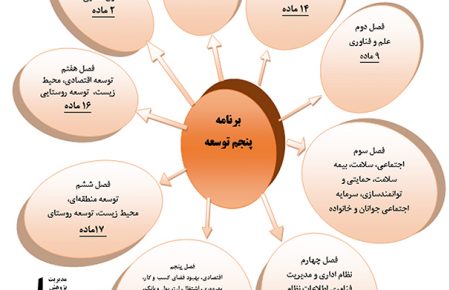 از قانون برنامه پنجم توسعه فرهنگی، اجتماعی و اقتصادی کشور
 از قانون نظام مهندسی و کنترل ساختمان (داوری شورای مرکزی)
 از اساسنامه شرکت سهامی خاص خدمات هوایی پست و مخابرات (پیام)
 از قانون اتاق بازرگانی ایران (تشکیل مرکز داوری اتاق ایران)
 تشکیل نهاد داوری از سوی قوه قضائیه در آیندهای نزدیک
 از قانون اجرای احکام مدنی (اجرای رای داور)
 از قانون اصلاح پاره ای از قوانین دادگستری
 تقاضای ابطال رای داور
 تاثیر اقاله قرارداد بر داوری
 انقضای مدت داوری
 موضوع داوری بیانگر صلاحیت داور
 از قانون برنامه سوم توسعه فرهنگی، اجتماعی و اقتصادی ایران
 ارتباط رای داور با قوانین موجد حق
 سمینار نظارت قضایی بر آرای داوری
 نقدی بر داوری در پیمان
داوری در پیمان
نقدی بر داوری در پیمان
داوری در پیمان
 قانون اساسنامه مرکز داوری اتاق ایران
 از قانون اساسی جمهوری اسلامی ایران و تفاسیر شورای نگهبان قانون اساسی
 از قانون اصلاح موادی از قانون بخش تعاونی اقتصاد جمهوری اسلامی ایران
طبیعت و ماهیت داوری یا حکمیت
از قانون اصلاح موادی از قانون بخش تعاونی اقتصاد جمهوری اسلامی ایران
طبیعت و ماهیت داوری یا حکمیت
 همه مسائل حقوقی؛ قابل ارجاع به داوری
شرح و تحلیل شرط داوری
همه مسائل حقوقی؛ قابل ارجاع به داوری
شرح و تحلیل شرط داوری
 از لایحه قانونی اصلاح قسمتی از قانون تجارت
 از قانون شورای حل اختلاف
 از قانون راجع به منع مداخله وزارء و نمایندگان مجلسین و کارمندان در معاملات دولتی و کشوری
 قانون راجع به اجازه ارجاع به داوری و تعیین داور برای دعاوی علیه بانک ها در خارج از کشور به بانک مرکزی ایران
 قانون داوری تجاری بینالمللی
 از قانون حمایت خانواده
 از قانون تاسیس بورس اوراق بهادار
 از قانون پیش فروش ساختمان
 قانون بازار اوراق بهادار جمهوری اسلامی ایران
 از قانون آئین دادرسی دادگاههای عمومی و انقلاب در امور کیفری
داوری در قانون آئین دادرسی مدنی
از قانون آئین دادرسی دادگاههای عمومی و انقلاب در امور کیفری
داوری در قانون آئین دادرسی مدنی
 اهمیت داوری در قراردادهای پیمانکاری
 اهمیت داوری در حقوق ایران
 ابطال رای داوری
اشخاص ممنوع از داوری
ابطال رای داوری
اشخاص ممنوع از داوری
 زوال داوری
از قانون بخش تعاونی اقتصاد جمهوری اسلامی ایران
زوال داوری
از قانون بخش تعاونی اقتصاد جمهوری اسلامی ایران
 از قانون تشویق و حمایت سرمایهگذاری خارجی
 از قانون توسعه ابزارها و نهادهای مالی در راستای اصل چهل و چهارم
 از قانون ایمنی زیستی جمهوری اسلامی ایران
از قانون تشکیل دادگاههای عمومی و انقلاب
از قانون ایمنی زیستی جمهوری اسلامی ایران
از قانون تشکیل دادگاههای عمومی و انقلاب
 قانون اصلاح مقررات مربوط به طلاق
 از قانون برنامه چهارم توسعه فرهنگی، اجتماعی و اقتصادی جمهوری اسلامی ایران
 آئین نامه اجرایی ماده ۲۱ قانون برنامه سوم توسعه اقتصادی و اجتماعی و فرهنگی جمهوری اسلامی ایران
 آییننامه حقالزحمه داوری
 از آئین نامه اجرایی قانون نظام مهندسی و کنترل ساختمان (داوری)
 از آییننامه اجرایی قانون پیشفروش ساختمان
 از آییننامه شرایط عمومی بیمه بدنه وسایل نقلیه
 آییننامه اجرایی تبصره ۱ ماده واحده قانون اصلاح مقررات مربوطه به طلاق
 از آییننامه شرایط عمومی بیمهنامه
 آییننامه قانون حفظ و بهرهبرداری از منابع آبزی
 آییننامه میانجیگری در امور کیفری مصوب هیئتوزیران
 آییننامه داوری در بخش تعاونی
 آییننامه داوری در اختلافات تجاری
 آییننامه داوری مرکز داوری کانون وکلاء مرکز
 آییننامه اجرایی تبصره ذیل ماده ۲۸ قانون اصلاح پارهای از قوانین دادگستری
 آییننامه میانجیگری در امور کیفری، مصوب قوه قضاییه
 چگونگی تراضی طرفین به عزل داور
 تعیین نحوه ابلاغ رای داوری
 داوری در مناقشه گازی ایران و ترکمنستان
 قانون داوری نمونه آنسیترال ۱۹۸۵
 از دستورالعمل حمایت قضایی از سرمایهگذاری
بخشنامه ارجاع اختلاف تعاونیها به اتاق تعاون
از دستورالعمل حمایت قضایی از سرمایهگذاری
بخشنامه ارجاع اختلاف تعاونیها به اتاق تعاون
 بخشنامه ریاست جمهوری در مورد داوری اتاق بازرگانی ایران (سال ۱۳۸۲)
 بخشنامه تاکید بر صلاحیت های مرکز داوری
 از شرایط عمومی پیمان
 از تصویبنامه ماده ۲۳ قانون برنامه و بودجه (داوری در قراردادهای عمرانی)
 تصویبنامه هیأت وزیران درباره تفویض اجازه ارجاع دعاوی راجع به اموال عمومی و دولتی به داوری به کمیسیون امور زیربنایی و صنعت
 تصویبنامه در مورد داوری و مصالحه دعاوی راجع به اموال و دولتی
 از تصویب نامه هیات وزیران در مورد روش حل اختلاف در طرحهای عمرانی
 در دعاوی طلاق، در صورت عدم معرفی داور از سوی طرفین، دادگاه اقدام به تعیین داور خواهد کرد.
 لازمالرعایه بودن ارجاع امر به داوری در دعاوی طلاق حتی برای اقلیتهای مذهبی
 اعتبار توافق دو شرکت خصوصی در داوری شورای عالی فنی
 اعتبار ارجاع امر به داوری در موقوفات
 تکلیف دادگاه به اجرای رای داور
 خودداری محکوم علیه از اجرای رای داور
 چگونگی ابلاغ رای داور
 داوری در دعاوی دانشگاه آزاد
 هیئت سه نفره داوری
 دادگاه صالح برای اجرای رای داور
ابلاغ رای داور در موارد سکوت نحوه ابلاغ
دادگاه صالح برای اجرای رای داور
ابلاغ رای داور در موارد سکوت نحوه ابلاغ
 ابلاغ رأی داور از طریق آگهی
 مهلت اجرای رأی داور یا اعتراض به آن
 رفع ابهام یا اجمال از آراء داوری
 ارجاع به داوری در قراردادهای باشگاه استقلال
 رسیدگی به دعوی بطلان رای داوری
 اعتراض به رای داوری در صلاحیت دادگاه
 تکلیف دادگاه به تعیین داور
 اعسار از حق الزحمه داوری
 ارجاع دعاوی مربوط به اموال عمومی به داوری
 داوری در طلاق توافقی
مهلت ها و مواعد اعتراض به رای داور
داوری در طلاق توافقی
مهلت ها و مواعد اعتراض به رای داور
 داوری در روابط موجر و مستاجر
 درخواست ابطال رای داوری در مهلت قانونی
 تکلیف دادگاه پس از ابطال رای داور
 صلاحیت برای داوری
 اجرای رای داور با درخواست ذینفع
قرار ابطال دادخواست طلاق
اجرای رای داور با درخواست ذینفع
قرار ابطال دادخواست طلاق
 صدور رأی پیرامون رأی داور
 انتخاب سردفتران و دفتریاران اسناد رسمی به داوری
 رأی هیئت حل اختلاف آییننامه شورای عالی بیمه
 میانجیگری و صلح (سازش)
توقف اجرای رأی داور
میانجیگری و صلح (سازش)
توقف اجرای رأی داور
 ارجاع درخواست طلاقهای غیر توافقی به داوری
 رأی داوری نسبت به بانکهای دولتی بدون رعایت اصل ۱۳۹ قانون اساسی بیاعتبار است
 ارجاع دعوی تنفیذ مبایعه نامه به داوری
 دعوی ابطال شرط داوری
 شرط داوری در اساسنامه شرکت
 داوری اعضای هیات مدیره شرکت
 داوری مشاور حقوقی
 جلسه داوری خارج از دادگاه
 غیابی بودن رای داوری
 عدول از ارجاع امر به داوری
قاعده فراغ در داوری
عدول از ارجاع امر به داوری
قاعده فراغ در داوری
 مطالبه دستمزد داوری
اعتراض به رای داوری
تعیین یکی از طرفین بعنوان داور
مطالبه دستمزد داوری
اعتراض به رای داوری
تعیین یکی از طرفین بعنوان داور
 شرط داوری در قرارداد با شهرداریها
 داوری در قانون مجازات اسلامی
 توسعه نهاد داوری
 داوری در تجارت بین الملل
 برگزاری دوره جامع آموزش داوری
ویژگی های شرط داوری
برگزاری دوره جامع آموزش داوری
ویژگی های شرط داوری
 داوری و مزیت های داوری
 ممنوعیت کارمندان دولت از داوری
 آئین نامه هزینه داوری در “ایران داوری”
 نحوه اجرای رای داور در داوری داخلی
 نگارش رای داوری
نمونه شرط داوری
نگارش رای داوری
نمونه شرط داوری
 داوری بین المللی و خارجی
 آییننامه تشکیلات مرکز ایران داوری
شرایط داور مرضی الطرفین
آییننامه تشکیلات مرکز ایران داوری
شرایط داور مرضی الطرفین
 استقلال شرط داوری
 تعیین داور توسط مقام ناصب
 نحوه قیمت گذاری گاز طبیعی
 جایگاه داوری در حقوق ایران و فقه
 مسئولیت داور در ایران و برخی کشورها
 تکلیف داور به تبعیت از قرارداد
 غیر مالی بودن دعوای ابطال رای داور
 داوری شورای عالی معادن
ارجاع دعاوی و اختلافات موقوفه به داوری
داوری شورای عالی معادن
ارجاع دعاوی و اختلافات موقوفه به داوری
 داوری در موافقتنامه چابهار
 اجرای احکام داوری بین ایران و چین
نمونه لایحه قوی در دعوای ابطال رای داور
اجرای احکام داوری بین ایران و چین
نمونه لایحه قوی در دعوای ابطال رای داور
 ضرورت توسعه داوری
 مزایای داوری برای وکلای دادگستری
لایحه جامع داوری
ابطال رای داور مرضی الطرفین
مزایای داوری برای وکلای دادگستری
لایحه جامع داوری
ابطال رای داور مرضی الطرفین
 تعیین داور مرضی الطرفین
 مزایای انتخاب داور نسبت به قاضی دادگستری
 مالیات وکیل در پرونده های داوری
دادخواست تعیین داور
انتخاب داور به وسیله دادگاه
مالیات وکیل در پرونده های داوری
دادخواست تعیین داور
انتخاب داور به وسیله دادگاه
 ابلاغ رأی داوری – تعیین و حساب مواعد
 داوری در قراردادها
مسئولیت داور
داوری در قراردادها
مسئولیت داور
 داوری بین المللی
 تعداد داوران در قوانین ایران
 موارد مداخله دادگاه در نصب داور
 اخذ قبولی داور
 استعفای داور
 عزل داور
آیین داوری ایران داوری
عزل داور
آیین داوری ایران داوری
 انتخاب داور بوسیله شخص ثالث یا دادگاه
 داوری در اختلافات و دعاوی بین ایرانیان و اتباع خارجی
 داوری در معاملات املاک
 نمونه شرط داوری در قراردادها و معاملات املاک
 مرکز داوری اتاق اصناف ایران
 داوری شرکت ها در روابط و اختلافات تجاری
 اعتبار شرط داوری در اساسنامه شرکت های تعاونی
 داوری شورای شهر در اختلافات شهرداری ها با اشخاص
 آموزش نحوه نگارش رای داوری
 داوری مدیران شرکت ها در دعاوی شرکت ها
 داوری شورای اسلامی شهر در دعاوی و معاملات شهرداری ها
 انصراف از داوری
 کارگاه آموزشی داوری در معاملات املاک
 داوری الکترونیکی