- سبد خرید خالی است.




In today's fast-paced business environment, maximizing workflow efficiency is paramount to success. Organizations are constantly seeking innovative solutions to streamline operations, reduce bottlenecks, and ultimately, boost productivity. Among the diverse tools and methodologies available, certain platforms stand out for their intuitive design and powerful capabilities. One such platform gaining traction is winspirit, a versatile suite designed to optimize various aspects of workflow management. It’s about creating a more harmonious and productive working environment, allowing teams to focus on what truly matters – achieving their goals.
The core idea behind effective workflow streamlining is to minimize wasted time and resources. This involves a careful analysis of existing processes, identification of areas for improvement, and the implementation of tools and strategies that address these shortcomings. Successful implementation requires a commitment to change, along with clear communication and training. Many companies find that embracing digital solutions is essential, and that’s where systems like this one can make a significant difference, improving collaboration and reducing manual errors.
Project management often becomes unwieldy with multiple tasks, deadlines, and stakeholders involved. A robust project management system is essential for keeping everything on track and ensuring that projects are completed on time and within budget. Solutions offer a range of features designed to address these challenges, including task assignment, progress tracking, resource allocation, and collaboration tools. The utilization of Gantt charts, Kanban boards, and other visual representations of project timelines can significantly enhance understanding and coordination among team members. This increased visibility helps identify potential roadblocks proactively, preventing delays and cost overruns. Regular meetings and status reports are still valuable, but are far more effective when supported by a centralized project management platform. Proper planning and execution are key to successful projects and ultimately lead to satisfied clients and a stronger bottom line.
Effective communication is the lifeblood of any successful project. Siloed information and fragmented communication channels can quickly lead to misunderstandings, errors, and delays. That´s where the integration of communication tools within the platform becomes crucial. Features such as instant messaging, file sharing, and collaborative document editing enable real-time interaction and seamless information exchange. Integrated systems mean that project-related discussions, files, and updates are all readily accessible in one central location, eliminating the need for endless email chains and scattered documents. This fosters a more transparent and collaborative work environment, empowering team members to work together more effectively and efficiently. A well-defined communication protocol, combined with the use of these tools, can dramatically improve project outcomes.
| Task Assignment | Ensures clear ownership and accountability |
| Progress Tracking | Provides real-time visibility into project status |
| Resource Allocation | Optimizes the use of available resources |
| Collaboration Tools | Facilitates seamless teamwork and communication |
The table above highlights just a few of the critical features offered by sophisticated project management tools. By leveraging these capabilities, organizations can dramatically improve their project outcomes and achieve greater levels of operational efficiency. It’s not just about having the tools; it's about integrating them effectively into existing workflows and fostering a culture of collaboration and accountability.
Document management is a critical aspect of workflow optimization, particularly in organizations that deal with large volumes of information. The traditional method of storing documents in shared folders or on individual computers can quickly become chaotic, leading to version control issues, difficulty in retrieval, and potential security risks. A centralized document management system provides a secure and organized repository for all project-related documents, ensuring that everyone has access to the latest versions. Features like version control, access control, and audit trails help maintain data integrity and protect sensitive information. Furthermore, advanced search capabilities enable users to quickly locate the documents they need, saving valuable time and effort. This is a significant improvement over manually searching through numerous folders and email attachments.
Security is paramount when it comes to document management. A robust access control system is essential to ensure that only authorized personnel have access to sensitive information. This system should allow administrators to define granular permissions, specifying which users or groups can view, edit, or delete specific documents. Role-based access control is a particularly effective approach, as it simplifies the management of permissions by assigning access rights based on job function. Regular audits should be conducted to verify that access controls are functioning as intended and to identify any potential vulnerabilities. Compliance with industry regulations, such as GDPR and HIPAA, is also a crucial consideration when implementing a document management system.
These features significantly enhance document security, reduce the risk of errors, and streamline collaboration. The time saved on document retrieval and version control alone can have a substantial impact on overall productivity. The ultimate goal is to create a document management system that is both efficient and secure.
Many workflows involve repetitive tasks that consume valuable time and resources. Automating these tasks can free up employees to focus on more strategic and creative work, leading to increased efficiency and improved job satisfaction. Workflow automation tools allow organizations to define rules and triggers that automatically execute specific actions when certain conditions are met. For instance, an invoice approval process can be automated to route invoices to the appropriate approvers based on pre-defined criteria. Automated systems can also be used to generate reports, send notifications, and update databases, eliminating the need for manual intervention. The key is to identify tasks that are rule-based, repetitive, and prone to errors, and then implement automation solutions to streamline those processes.
Robotic Process Automation (RPA) is a powerful technology that can automate a wide range of tasks, even those that require interacting with multiple systems. RPA bots can mimic human actions, such as clicking buttons, entering data, and copying and pasting information. These bots can work 24/7 without fatigue, significantly reducing processing times and improving accuracy. RPA is particularly well-suited for automating tasks that involve legacy systems or applications that do not have APIs. However, it’s important to carefully plan and implement RPA projects, ensuring that the bots are properly configured and monitored to avoid errors. The potential benefits of RPA are substantial, but it requires a strategic approach and a commitment to ongoing maintenance.
Following these steps will help organizations successfully implement workflow automation and realize the full benefits of increased efficiency and reduced costs. The integration of automation tools reduces human error and improves accuracy, leading to better business outcomes.
Effective communication and collaboration are essential for successful workflow management. A centralized platform that integrates communication tools with project management and document management features can significantly enhance teamwork and streamline information exchange. These platforms typically include features such as instant messaging, video conferencing, file sharing, and collaborative document editing. By providing a single point of access for all project-related information and communication, these platforms eliminate the need for employees to switch between multiple applications. This reduces context switching, improves focus, and fosters a more collaborative environment. The ability to share information seamlessly and communicate in real-time is critical for resolving issues quickly and keeping projects on track.
The field of workflow optimization is constantly evolving, driven by advancements in technology and changing business needs. We can expect to see increased adoption of Artificial Intelligence (AI) and Machine Learning (ML) in the coming years. AI-powered tools can automate complex tasks, provide intelligent insights, and personalize workflows based on individual user preferences. For example, AI algorithms can analyze data to identify potential bottlenecks and recommend solutions for improving efficiency. Another emerging trend is the use of low-code/no-code platforms, which allow users to create and customize workflows without requiring extensive programming knowledge. This empowers business users to become active participants in the optimization process, accelerating innovation and reducing reliance on IT departments. The evolution of platforms will continue to prioritize user experience and integration with existing systems, ensuring seamless and efficient workflows. A platform like winspirit, by adapting to these new technologies, can continue to be a valuable asset.
The integration of these technologies will undoubtedly transform the way work is done, leading to greater levels of automation, efficiency, and agility. Organizations that embrace these advancements will be well-positioned to thrive in the increasingly competitive business landscape. It’s about seeking solutions that adapt to the needs of the modern workforce and empower teams to achieve their full potential.

 داوری اتاق تعاون
 از مصوبات شورای عالی ترابری ایران
 اصل ۱۳۹ قانون اساسی برای داوری
 استعفای داور و تأثیر آن بر داوری
 اعتراض به رای داور و درخواست بطلان آن دعوی مالی نیست
 داوری بین شرکت های تعاونی
 ارجاع به داوری در قراردادهای پیمان
 داوری در حقوق مالکیت فکری
 داوری در شرکت های با مسئولیت محدود
 داوری در اتاق تعاون
 داوری در آئین دادرسی مدنی
 زایل شدن شرط داوری به سبب اقاله یا تفاسخ اصل قرارداد
 اهلیت ارجاع اختلاف به داوری
 شرح و تحلیل ماده ۴۵۴
 اساسنامه دیوان بینالمللی دادگستری
 قانون موافقتنامه بین دولت جمهوری اسلامی ایران و کمیته حقوقی مشورتی آسیایی – آفریقایی راجع به ایجاد مرکز منطقهای داوری در تهران
 کنوانسیون شناسایی و اجرای احکام داوری خارجی
 قوه قضاییه، مکلف به تلاش برای حل و فصل اختلافات از طریق داوری شد
 کانون داوری قوه قضائیه در استان یزد، ایجاد می شود
 راه اندازی مرکز داوری در کانون وکلای دادگستری مرکز
 صلاحیت محلی در داوری
 برای اجرای رای داور، عشریه اجرایی نباید دریافت شود
 اجرای رای داوری که طی سند رسمی به داوری، انتخاب شده باشد از طریق اجرای ثبت، ممکن نیست
 غیر مالی بودن دعوی ابطال رای داور
 زایل شدن شرط داوری، اشکالی ندارد
 داوری نهاد مدرن حل اختلاف
 سرعت در رسیدگی داوری
 داور قاضی متخصص و منتخب شما
 از قانون برنامه ششم توسعه فرهنگی، اجتماعی و اقتصادی ایران
 از قانون اجرای سیاست های کلی اصل ۴۴ قانون اساسی ایران
 از قانون برنامه سوم توسعه فرهنگی، اجتماعی و اقتصادی جمهوری اسلامی ایران
 از سیاست های کلی نظام
 روش تعیین داور
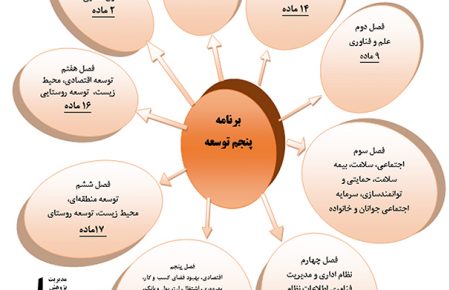 از قانون برنامه پنجم توسعه فرهنگی، اجتماعی و اقتصادی کشور
 از قانون نظام مهندسی و کنترل ساختمان (داوری شورای مرکزی)
 از اساسنامه شرکت سهامی خاص خدمات هوایی پست و مخابرات (پیام)
 از قانون اتاق بازرگانی ایران (تشکیل مرکز داوری اتاق ایران)
 تشکیل نهاد داوری از سوی قوه قضائیه در آیندهای نزدیک
 از قانون اجرای احکام مدنی (اجرای رای داور)
 از قانون اصلاح پاره ای از قوانین دادگستری
 تقاضای ابطال رای داور
 تاثیر اقاله قرارداد بر داوری
 انقضای مدت داوری
 موضوع داوری بیانگر صلاحیت داور
 از قانون برنامه سوم توسعه فرهنگی، اجتماعی و اقتصادی ایران
 ارتباط رای داور با قوانین موجد حق
 سمینار نظارت قضایی بر آرای داوری
 نقدی بر داوری در پیمان
داوری در پیمان
نقدی بر داوری در پیمان
داوری در پیمان
 قانون اساسنامه مرکز داوری اتاق ایران
 از قانون اساسی جمهوری اسلامی ایران و تفاسیر شورای نگهبان قانون اساسی
 از قانون اصلاح موادی از قانون بخش تعاونی اقتصاد جمهوری اسلامی ایران
طبیعت و ماهیت داوری یا حکمیت
از قانون اصلاح موادی از قانون بخش تعاونی اقتصاد جمهوری اسلامی ایران
طبیعت و ماهیت داوری یا حکمیت
 همه مسائل حقوقی؛ قابل ارجاع به داوری
شرح و تحلیل شرط داوری
همه مسائل حقوقی؛ قابل ارجاع به داوری
شرح و تحلیل شرط داوری
 از لایحه قانونی اصلاح قسمتی از قانون تجارت
 از قانون شورای حل اختلاف
 از قانون راجع به منع مداخله وزارء و نمایندگان مجلسین و کارمندان در معاملات دولتی و کشوری
 قانون راجع به اجازه ارجاع به داوری و تعیین داور برای دعاوی علیه بانک ها در خارج از کشور به بانک مرکزی ایران
 قانون داوری تجاری بینالمللی
 از قانون حمایت خانواده
 از قانون تاسیس بورس اوراق بهادار
 از قانون پیش فروش ساختمان
 قانون بازار اوراق بهادار جمهوری اسلامی ایران
 از قانون آئین دادرسی دادگاههای عمومی و انقلاب در امور کیفری
داوری در قانون آئین دادرسی مدنی
از قانون آئین دادرسی دادگاههای عمومی و انقلاب در امور کیفری
داوری در قانون آئین دادرسی مدنی
 اهمیت داوری در قراردادهای پیمانکاری
 اهمیت داوری در حقوق ایران
 ابطال رای داوری
اشخاص ممنوع از داوری
ابطال رای داوری
اشخاص ممنوع از داوری
 زوال داوری
از قانون بخش تعاونی اقتصاد جمهوری اسلامی ایران
زوال داوری
از قانون بخش تعاونی اقتصاد جمهوری اسلامی ایران
 از قانون تشویق و حمایت سرمایهگذاری خارجی
 از قانون توسعه ابزارها و نهادهای مالی در راستای اصل چهل و چهارم
 از قانون ایمنی زیستی جمهوری اسلامی ایران
از قانون تشکیل دادگاههای عمومی و انقلاب
از قانون ایمنی زیستی جمهوری اسلامی ایران
از قانون تشکیل دادگاههای عمومی و انقلاب
 قانون اصلاح مقررات مربوط به طلاق
 از قانون برنامه چهارم توسعه فرهنگی، اجتماعی و اقتصادی جمهوری اسلامی ایران
 آئین نامه اجرایی ماده ۲۱ قانون برنامه سوم توسعه اقتصادی و اجتماعی و فرهنگی جمهوری اسلامی ایران
 آییننامه حقالزحمه داوری
 از آئین نامه اجرایی قانون نظام مهندسی و کنترل ساختمان (داوری)
 از آییننامه اجرایی قانون پیشفروش ساختمان
 از آییننامه شرایط عمومی بیمه بدنه وسایل نقلیه
 آییننامه اجرایی تبصره ۱ ماده واحده قانون اصلاح مقررات مربوطه به طلاق
 از آییننامه شرایط عمومی بیمهنامه
 آییننامه قانون حفظ و بهرهبرداری از منابع آبزی
 آییننامه میانجیگری در امور کیفری مصوب هیئتوزیران
 آییننامه داوری در بخش تعاونی
 آییننامه داوری در اختلافات تجاری
 آییننامه داوری مرکز داوری کانون وکلاء مرکز
 آییننامه اجرایی تبصره ذیل ماده ۲۸ قانون اصلاح پارهای از قوانین دادگستری
 آییننامه میانجیگری در امور کیفری، مصوب قوه قضاییه
 چگونگی تراضی طرفین به عزل داور
 تعیین نحوه ابلاغ رای داوری
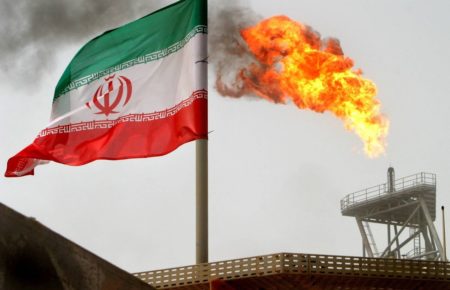 داوری در مناقشه گازی ایران و ترکمنستان
 قانون داوری نمونه آنسیترال ۱۹۸۵
 از دستورالعمل حمایت قضایی از سرمایهگذاری
بخشنامه ارجاع اختلاف تعاونیها به اتاق تعاون
از دستورالعمل حمایت قضایی از سرمایهگذاری
بخشنامه ارجاع اختلاف تعاونیها به اتاق تعاون
 بخشنامه ریاست جمهوری در مورد داوری اتاق بازرگانی ایران (سال ۱۳۸۲)
 بخشنامه تاکید بر صلاحیت های مرکز داوری
 از شرایط عمومی پیمان
 از تصویبنامه ماده ۲۳ قانون برنامه و بودجه (داوری در قراردادهای عمرانی)
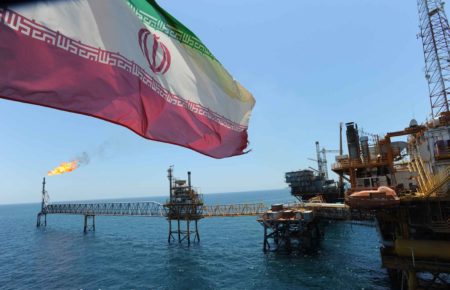 تصویبنامه هیأت وزیران درباره تفویض اجازه ارجاع دعاوی راجع به اموال عمومی و دولتی به داوری به کمیسیون امور زیربنایی و صنعت
 تصویبنامه در مورد داوری و مصالحه دعاوی راجع به اموال و دولتی
 از تصویب نامه هیات وزیران در مورد روش حل اختلاف در طرحهای عمرانی
 در دعاوی طلاق، در صورت عدم معرفی داور از سوی طرفین، دادگاه اقدام به تعیین داور خواهد کرد.
 لازمالرعایه بودن ارجاع امر به داوری در دعاوی طلاق حتی برای اقلیتهای مذهبی
 اعتبار توافق دو شرکت خصوصی در داوری شورای عالی فنی
 اعتبار ارجاع امر به داوری در موقوفات
 تکلیف دادگاه به اجرای رای داور
 خودداری محکوم علیه از اجرای رای داور
 چگونگی ابلاغ رای داور
 داوری در دعاوی دانشگاه آزاد
 هیئت سه نفره داوری
 دادگاه صالح برای اجرای رای داور
ابلاغ رای داور در موارد سکوت نحوه ابلاغ
دادگاه صالح برای اجرای رای داور
ابلاغ رای داور در موارد سکوت نحوه ابلاغ
 ابلاغ رأی داور از طریق آگهی
 مهلت اجرای رأی داور یا اعتراض به آن
 رفع ابهام یا اجمال از آراء داوری
 ارجاع به داوری در قراردادهای باشگاه استقلال
 رسیدگی به دعوی بطلان رای داوری
 اعتراض به رای داوری در صلاحیت دادگاه
 تکلیف دادگاه به تعیین داور
 اعسار از حق الزحمه داوری
 ارجاع دعاوی مربوط به اموال عمومی به داوری
 داوری در طلاق توافقی
مهلت ها و مواعد اعتراض به رای داور
داوری در طلاق توافقی
مهلت ها و مواعد اعتراض به رای داور
 داوری در روابط موجر و مستاجر
 درخواست ابطال رای داوری در مهلت قانونی
 تکلیف دادگاه پس از ابطال رای داور
 صلاحیت برای داوری
 اجرای رای داور با درخواست ذینفع
قرار ابطال دادخواست طلاق
اجرای رای داور با درخواست ذینفع
قرار ابطال دادخواست طلاق
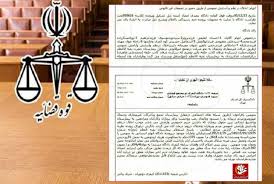 صدور رأی پیرامون رأی داور
 انتخاب سردفتران و دفتریاران اسناد رسمی به داوری
 رأی هیئت حل اختلاف آییننامه شورای عالی بیمه
 میانجیگری و صلح (سازش)
توقف اجرای رأی داور
میانجیگری و صلح (سازش)
توقف اجرای رأی داور
 ارجاع درخواست طلاقهای غیر توافقی به داوری
 رأی داوری نسبت به بانکهای دولتی بدون رعایت اصل ۱۳۹ قانون اساسی بیاعتبار است
 ارجاع دعوی تنفیذ مبایعه نامه به داوری
 دعوی ابطال شرط داوری
 شرط داوری در اساسنامه شرکت
 داوری اعضای هیات مدیره شرکت
 داوری مشاور حقوقی
 جلسه داوری خارج از دادگاه
 غیابی بودن رای داوری
 عدول از ارجاع امر به داوری
قاعده فراغ در داوری
عدول از ارجاع امر به داوری
قاعده فراغ در داوری
 مطالبه دستمزد داوری
اعتراض به رای داوری
تعیین یکی از طرفین بعنوان داور
مطالبه دستمزد داوری
اعتراض به رای داوری
تعیین یکی از طرفین بعنوان داور
 شرط داوری در قرارداد با شهرداریها
 داوری در قانون مجازات اسلامی
 توسعه نهاد داوری
 داوری در تجارت بین الملل
 برگزاری دوره جامع آموزش داوری
ویژگی های شرط داوری
برگزاری دوره جامع آموزش داوری
ویژگی های شرط داوری
 داوری و مزیت های داوری
 ممنوعیت کارمندان دولت از داوری
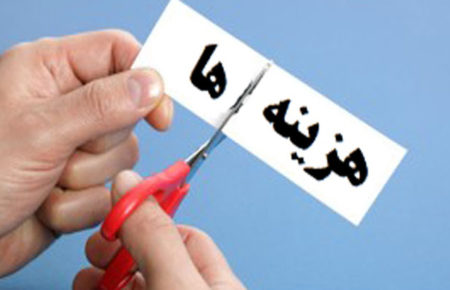 آئین نامه هزینه داوری در “ایران داوری”
 نحوه اجرای رای داور در داوری داخلی
 نگارش رای داوری
نمونه شرط داوری
نگارش رای داوری
نمونه شرط داوری
 داوری بین المللی و خارجی
 آییننامه تشکیلات مرکز ایران داوری
شرایط داور مرضی الطرفین
آییننامه تشکیلات مرکز ایران داوری
شرایط داور مرضی الطرفین
 استقلال شرط داوری
 تعیین داور توسط مقام ناصب
 نحوه قیمت گذاری گاز طبیعی
 جایگاه داوری در حقوق ایران و فقه
 مسئولیت داور در ایران و برخی کشورها
 تکلیف داور به تبعیت از قرارداد
 غیر مالی بودن دعوای ابطال رای داور
 داوری شورای عالی معادن
ارجاع دعاوی و اختلافات موقوفه به داوری
داوری شورای عالی معادن
ارجاع دعاوی و اختلافات موقوفه به داوری
 داوری در موافقتنامه چابهار
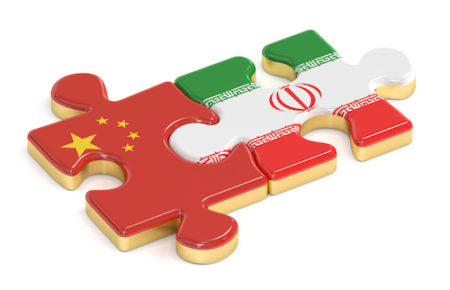 اجرای احکام داوری بین ایران و چین
نمونه لایحه قوی در دعوای ابطال رای داور
اجرای احکام داوری بین ایران و چین
نمونه لایحه قوی در دعوای ابطال رای داور
 ضرورت توسعه داوری
 مزایای داوری برای وکلای دادگستری
لایحه جامع داوری
ابطال رای داور مرضی الطرفین
مزایای داوری برای وکلای دادگستری
لایحه جامع داوری
ابطال رای داور مرضی الطرفین
 تعیین داور مرضی الطرفین
 مزایای انتخاب داور نسبت به قاضی دادگستری
 مالیات وکیل در پرونده های داوری
دادخواست تعیین داور
انتخاب داور به وسیله دادگاه
مالیات وکیل در پرونده های داوری
دادخواست تعیین داور
انتخاب داور به وسیله دادگاه
 ابلاغ رأی داوری – تعیین و حساب مواعد
 داوری در قراردادها
مسئولیت داور
داوری در قراردادها
مسئولیت داور
 داوری بین المللی
 تعداد داوران در قوانین ایران
 موارد مداخله دادگاه در نصب داور
 اخذ قبولی داور
 استعفای داور
 عزل داور
آیین داوری ایران داوری
عزل داور
آیین داوری ایران داوری
 انتخاب داور بوسیله شخص ثالث یا دادگاه
 داوری در اختلافات و دعاوی بین ایرانیان و اتباع خارجی
 داوری در معاملات املاک
 نمونه شرط داوری در قراردادها و معاملات املاک
 مرکز داوری اتاق اصناف ایران
 داوری شرکت ها در روابط و اختلافات تجاری
 اعتبار شرط داوری در اساسنامه شرکت های تعاونی
 داوری شورای شهر در اختلافات شهرداری ها با اشخاص
 آموزش نحوه نگارش رای داوری
 داوری مدیران شرکت ها در دعاوی شرکت ها
 داوری شورای اسلامی شهر در دعاوی و معاملات شهرداری ها
 انصراف از داوری
 کارگاه آموزشی داوری در معاملات املاک
 داوری الکترونیکی