- سبد خرید خالی است.




The term “spinkings” often evokes curiosity, largely due to its relative obscurity in common parlance. It designates a fascinating, yet historically nuanced, category of small, ornamental metal fittings – typically bronze or iron – that were affixed to clothing, particularly to fasten or decorate the points of shoes. These weren’t merely functional elements; they were statements of status, fashion, and often, artistic skill. Examining these items provides a surprisingly detailed glimpse into the social and economic conditions of past centuries, revealing much about the lives of those who wore them and those who crafted them. Their study crosses disciplines, encompassing archaeology, history of fashion, and even metallurgy.
The usage of spinkings flourished from roughly the 14th to 17th centuries, with regional variations in style and quality. While documented primarily in Europe, evidence suggests similar ornamental arrangements were utilized in other parts of the world, though under different names and with different materials. Investigating the manufacturing techniques employed in their creation allows insight into the level of technological advancement at the time and the organization of artisanal labor. A thorough understanding of spinkings necessitates a detailed exploration of their context – who wore them, how they were made, and what they signified.
The predominant materials used in the production of spinkings were bronze and iron, though examples crafted from pewter, silver, and even gold have been discovered, particularly among the wealthier classes. Bronze was favored for its ease of casting and relatively low cost, allowing for intricate designs to be readily reproduced. Iron, while less visually appealing in its raw state, was often subjected to surface treatments such as bluing or japanning to enhance its appearance and prevent corrosion. The manufacturing process typically involved creating a mold of the desired shape, pouring molten metal into the mold, and then finishing the casting by filing, polishing, and applying any necessary decorative elements.
Artisans demonstrated considerable skill in shaping and decorating spinkings. Casting techniques were refined over time, allowing for increasingly complex designs – including floral motifs, heraldic emblems, and geometric patterns. The use of chasing and engraving added further detail to the surface of the spinkings, creating a tactile and visually rich experience. Evidence suggests that workshops specialized in the production of spinkings, with different artisans responsible for different stages of the process. This division of labor allowed for greater efficiency and quality control. The crafting of these items wasn’t purely an industrial process, however; a significant degree of artistry was involved, reflecting the aesthetic sensibilities of the period.
The availability of materials greatly influenced the production of spinkings. Regions with readily accessible sources of tin and copper, essential for bronze production, tended to have a more thriving spinking industry. Trade networks also played a vital role, allowing for the exchange of materials and finished products across geographical boundaries. The quality of the metal itself was a crucial factor, with purer metals yielding more durable and aesthetically pleasing spinkings. Analysis of metal composition can provide valuable insights into the sources of raw materials and the trade routes that facilitated their distribution. Specialized foundries dedicated to producing these fittings were noted in contemporary records, indicating a significant demand for these embellishments.
| Bronze | Most common for general use | Low | Moderate |
| Iron | Often coated or treated to prevent rust | Very Low | Low – Moderate (depending on treatment) |
| Pewter | Less common, often for indoor wear | Moderate | Low |
| Silver | Higher status, ornamental pieces | High | Moderate – High |
The level of craftsmanship dedicated to creating spinkings is indicative of the importance placed on appearance and social display during the periods in which they were prevalent. It wasn’t merely about fastening shoes; it was about projecting a certain image and demonstrating one's economic status and taste. Careful analysis of surviving examples allows historians to trace the evolution of design trends and understand the cultural values that shaped them.
Spinkings were not universally worn; their adoption was largely dictated by social status and economic means. While basic metal fittings were used by all layers of society to secure footwear, the elaborate, decorated spinkings were primarily the preserve of the wealthier classes. These individuals saw spinkings as a means of displaying their affluence and adhering to current fashion trends. The style and complexity of the spinkings worn often reflected the wearer’s occupation or social standing, providing a visual shorthand for identifying social hierarchies. Evidence suggests that guilds and livery companies even incorporated spinking designs into their emblems, further solidifying their association with social identity.
The choice of materials, the intricacy of the design, and the manner in which the spinkings were attached to the shoes all served as signals of status. Silver and gold spinkings were reserved for the elite, while bronze or iron spinkings were more common among the middle classes. The more elaborate the design, the more expensive the spinkings were likely to be, and the higher the status of the wearer. Fashion trends also influenced the style of spinkings, with different designs becoming popular at different times. Analyzing archaeological finds can reveal shifts in fashion trends and provide insight into the social dynamics of past societies. A certain degree of conspicuous consumption was often associated with the wearing of decorative spinkings.
The presence of spinkings in archaeological contexts can provide valuable information about trade routes and social networks. The discovery of spinkings from distant regions suggests that these items were traded extensively, connecting different parts of the world. The distribution of spinkings can also reveal patterns of migration and settlement, helping to reconstruct the movements of people and the spread of ideas. Beyond their functional purpose, spinkings served a vital social signaling function, visually proclaiming the wearer’s allegiance and socio-economic position.
The relative abundance of spinkings found in certain regions suggests the presence of thriving local industries dedicated to their manufacture. Conversely, areas with fewer finds may indicate a greater reliance on imported goods or a different cultural preference for footwear embellishments. The study of spinkings, therefore, goes beyond merely cataloging decorative objects; it offers a powerful lens for understanding broader economic and social structures.
The popularity of spinkings began to wane in the 17th century, coinciding with significant changes in fashion and footwear design. The emergence of new shoe-making techniques, such as the development of more secure and aesthetically pleasing fastening mechanisms, rendered spinkings less necessary. Furthermore, evolving fashion sensibilities favored simpler, more streamlined designs, diminishing the demand for elaborate ornamentation. The rise of buckles and ribbons as alternative methods of fastening also contributed to the decline of spinkings, offering both functionality and style.
Several factors converged to cause the decline of spinking usage. Shifts in societal norms and aesthetic preferences played a significant role, as did advancements in footwear technology. The changing silhouette of clothing also impacted the popularity of spinkings; as clothing styles became more minimalist, the need for elaborate accessories diminished. Economic factors also played a part – as the cost of materials and labor increased, spinkings became less affordable for many people. The shift toward more standardized manufacturing processes also reduced the demand for handcrafted items, such as spinkings.
Despite their eventual decline, spinkings left a lasting legacy. The techniques employed in their manufacture influenced the development of other metalworking crafts, and their designs provided inspiration for later generations of artisans. The study of spinkings continues to be a valuable source of information for historians, archaeologists, and fashion scholars. Their archaeological recovery and analysis provide direct access to material culture from past ages offering tangibly diverse insight into a lost aesthetic and economic system.
The preservation of surviving spinkings presents a considerable challenge. Due to their composition – primarily metal – they are susceptible to corrosion and deterioration over time. Many spinkings have been lost to the elements or damaged during excavation. However, ongoing efforts are being made to conserve and protect these fragile artifacts. Museums and archaeological institutions are employing advanced conservation techniques to stabilize spinkings and prevent further decay. Digital documentation and 3D modeling are also being used to create virtual representations of spinkings, making them accessible to a wider audience.
Current research on spinkings is focused on several key areas. Scholars are attempting to refine the chronology of spinking production, identify regional variations in style, and reconstruct the social and economic context of their use. New analytical techniques, such as X-ray fluorescence (XRF), are being used to determine the composition of spinking materials and trace their origins. Furthermore, collaborative research projects are bringing together experts from different disciplines – including archaeology, history, and materials science – to gain a more comprehensive understanding of these fascinating objects.
While primarily functional in their initial purpose, spinkings rapidly ascended beyond mere fasteners to become potent symbols of personal identity and social belonging. The motifs employed in their design – ranging from heraldic crests and religious iconography, to simple floral patterns – often conveyed specific messages about the wearer’s family, profession, or beliefs. The deliberate choice of materials, too, communicated status; a spinking crafted from silver immediately signaled a higher social standing than one of iron or bronze. This signifies an early manifestation of using personal accessories as expressions of individual narrative, predating many more modern fashion trends.
The act of commissioning or acquiring spinkings also held symbolic weight. For those who could afford bespoke pieces, the commissioning process itself was a demonstration of their wealth and influence. The skill of the artisan responsible for the design and execution of the spinking was highly valued, further enhancing the symbolic significance of the object. Contemporary accounts suggest that gifting spinkings was a common practice, often used to forge social bonds or mark important life events. Thus, these seemingly small objects played a surprisingly prominent role in the complex web of social interactions within past societies, and their continued study offers a unique insight into these long-vanished worlds.

 داوری اتاق تعاون
 از مصوبات شورای عالی ترابری ایران
 اصل ۱۳۹ قانون اساسی برای داوری
 استعفای داور و تأثیر آن بر داوری
 اعتراض به رای داور و درخواست بطلان آن دعوی مالی نیست
 داوری بین شرکت های تعاونی
 ارجاع به داوری در قراردادهای پیمان
 داوری در حقوق مالکیت فکری
 داوری در شرکت های با مسئولیت محدود
 داوری در اتاق تعاون
 داوری در آئین دادرسی مدنی
 زایل شدن شرط داوری به سبب اقاله یا تفاسخ اصل قرارداد
 اهلیت ارجاع اختلاف به داوری
 شرح و تحلیل ماده ۴۵۴
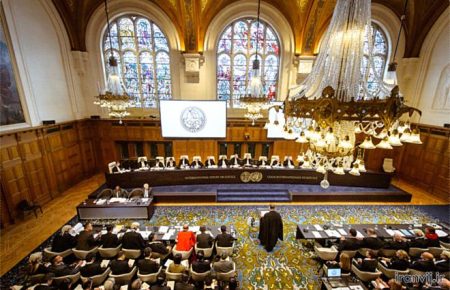 اساسنامه دیوان بینالمللی دادگستری
 قانون موافقتنامه بین دولت جمهوری اسلامی ایران و کمیته حقوقی مشورتی آسیایی – آفریقایی راجع به ایجاد مرکز منطقهای داوری در تهران
 کنوانسیون شناسایی و اجرای احکام داوری خارجی
 قوه قضاییه، مکلف به تلاش برای حل و فصل اختلافات از طریق داوری شد
 کانون داوری قوه قضائیه در استان یزد، ایجاد می شود
 راه اندازی مرکز داوری در کانون وکلای دادگستری مرکز
 صلاحیت محلی در داوری
 برای اجرای رای داور، عشریه اجرایی نباید دریافت شود
 اجرای رای داوری که طی سند رسمی به داوری، انتخاب شده باشد از طریق اجرای ثبت، ممکن نیست
 غیر مالی بودن دعوی ابطال رای داور
 زایل شدن شرط داوری، اشکالی ندارد
 داوری نهاد مدرن حل اختلاف
 سرعت در رسیدگی داوری
 داور قاضی متخصص و منتخب شما
 از قانون برنامه ششم توسعه فرهنگی، اجتماعی و اقتصادی ایران
 از قانون اجرای سیاست های کلی اصل ۴۴ قانون اساسی ایران
 از قانون برنامه سوم توسعه فرهنگی، اجتماعی و اقتصادی جمهوری اسلامی ایران
 از سیاست های کلی نظام
 روش تعیین داور
 از قانون برنامه پنجم توسعه فرهنگی، اجتماعی و اقتصادی کشور
 از قانون نظام مهندسی و کنترل ساختمان (داوری شورای مرکزی)
 از اساسنامه شرکت سهامی خاص خدمات هوایی پست و مخابرات (پیام)
 از قانون اتاق بازرگانی ایران (تشکیل مرکز داوری اتاق ایران)
 تشکیل نهاد داوری از سوی قوه قضائیه در آیندهای نزدیک
 از قانون اجرای احکام مدنی (اجرای رای داور)
 از قانون اصلاح پاره ای از قوانین دادگستری
 تقاضای ابطال رای داور
 تاثیر اقاله قرارداد بر داوری
 انقضای مدت داوری
 موضوع داوری بیانگر صلاحیت داور
 از قانون برنامه سوم توسعه فرهنگی، اجتماعی و اقتصادی ایران
 ارتباط رای داور با قوانین موجد حق
 سمینار نظارت قضایی بر آرای داوری
 نقدی بر داوری در پیمان
داوری در پیمان
نقدی بر داوری در پیمان
داوری در پیمان
 قانون اساسنامه مرکز داوری اتاق ایران
 از قانون اساسی جمهوری اسلامی ایران و تفاسیر شورای نگهبان قانون اساسی
 از قانون اصلاح موادی از قانون بخش تعاونی اقتصاد جمهوری اسلامی ایران
طبیعت و ماهیت داوری یا حکمیت
از قانون اصلاح موادی از قانون بخش تعاونی اقتصاد جمهوری اسلامی ایران
طبیعت و ماهیت داوری یا حکمیت
 همه مسائل حقوقی؛ قابل ارجاع به داوری
شرح و تحلیل شرط داوری
همه مسائل حقوقی؛ قابل ارجاع به داوری
شرح و تحلیل شرط داوری
 از لایحه قانونی اصلاح قسمتی از قانون تجارت
 از قانون شورای حل اختلاف
 از قانون راجع به منع مداخله وزارء و نمایندگان مجلسین و کارمندان در معاملات دولتی و کشوری
 قانون راجع به اجازه ارجاع به داوری و تعیین داور برای دعاوی علیه بانک ها در خارج از کشور به بانک مرکزی ایران
 قانون داوری تجاری بینالمللی
 از قانون حمایت خانواده
 از قانون تاسیس بورس اوراق بهادار
 از قانون پیش فروش ساختمان
 قانون بازار اوراق بهادار جمهوری اسلامی ایران
 از قانون آئین دادرسی دادگاههای عمومی و انقلاب در امور کیفری
داوری در قانون آئین دادرسی مدنی
از قانون آئین دادرسی دادگاههای عمومی و انقلاب در امور کیفری
داوری در قانون آئین دادرسی مدنی
 اهمیت داوری در قراردادهای پیمانکاری
 اهمیت داوری در حقوق ایران
 ابطال رای داوری
اشخاص ممنوع از داوری
ابطال رای داوری
اشخاص ممنوع از داوری
 زوال داوری
از قانون بخش تعاونی اقتصاد جمهوری اسلامی ایران
زوال داوری
از قانون بخش تعاونی اقتصاد جمهوری اسلامی ایران
 از قانون تشویق و حمایت سرمایهگذاری خارجی
 از قانون توسعه ابزارها و نهادهای مالی در راستای اصل چهل و چهارم
 از قانون ایمنی زیستی جمهوری اسلامی ایران
از قانون تشکیل دادگاههای عمومی و انقلاب
از قانون ایمنی زیستی جمهوری اسلامی ایران
از قانون تشکیل دادگاههای عمومی و انقلاب
 قانون اصلاح مقررات مربوط به طلاق
 از قانون برنامه چهارم توسعه فرهنگی، اجتماعی و اقتصادی جمهوری اسلامی ایران
 آئین نامه اجرایی ماده ۲۱ قانون برنامه سوم توسعه اقتصادی و اجتماعی و فرهنگی جمهوری اسلامی ایران
 آییننامه حقالزحمه داوری
 از آئین نامه اجرایی قانون نظام مهندسی و کنترل ساختمان (داوری)
 از آییننامه اجرایی قانون پیشفروش ساختمان
 از آییننامه شرایط عمومی بیمه بدنه وسایل نقلیه
 آییننامه اجرایی تبصره ۱ ماده واحده قانون اصلاح مقررات مربوطه به طلاق
 از آییننامه شرایط عمومی بیمهنامه
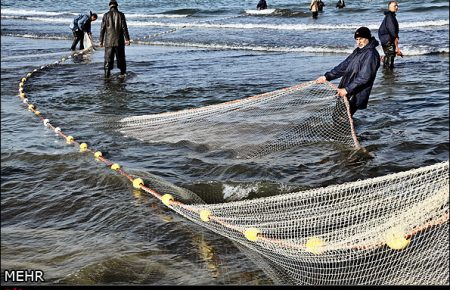 آییننامه قانون حفظ و بهرهبرداری از منابع آبزی
 آییننامه میانجیگری در امور کیفری مصوب هیئتوزیران
 آییننامه داوری در بخش تعاونی
 آییننامه داوری در اختلافات تجاری
 آییننامه داوری مرکز داوری کانون وکلاء مرکز
 آییننامه اجرایی تبصره ذیل ماده ۲۸ قانون اصلاح پارهای از قوانین دادگستری
 آییننامه میانجیگری در امور کیفری، مصوب قوه قضاییه
 چگونگی تراضی طرفین به عزل داور
 تعیین نحوه ابلاغ رای داوری
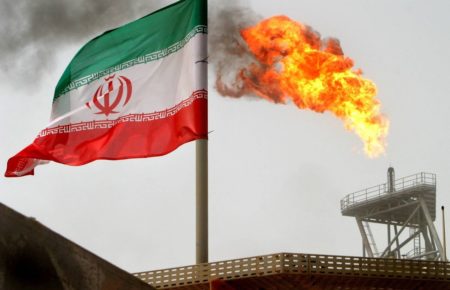 داوری در مناقشه گازی ایران و ترکمنستان
 قانون داوری نمونه آنسیترال ۱۹۸۵
 از دستورالعمل حمایت قضایی از سرمایهگذاری
بخشنامه ارجاع اختلاف تعاونیها به اتاق تعاون
از دستورالعمل حمایت قضایی از سرمایهگذاری
بخشنامه ارجاع اختلاف تعاونیها به اتاق تعاون
 بخشنامه ریاست جمهوری در مورد داوری اتاق بازرگانی ایران (سال ۱۳۸۲)
 بخشنامه تاکید بر صلاحیت های مرکز داوری
 از شرایط عمومی پیمان
 از تصویبنامه ماده ۲۳ قانون برنامه و بودجه (داوری در قراردادهای عمرانی)
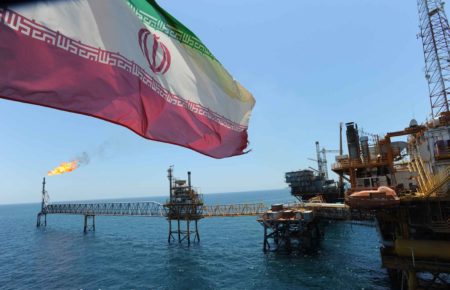 تصویبنامه هیأت وزیران درباره تفویض اجازه ارجاع دعاوی راجع به اموال عمومی و دولتی به داوری به کمیسیون امور زیربنایی و صنعت
 تصویبنامه در مورد داوری و مصالحه دعاوی راجع به اموال و دولتی
 از تصویب نامه هیات وزیران در مورد روش حل اختلاف در طرحهای عمرانی
 در دعاوی طلاق، در صورت عدم معرفی داور از سوی طرفین، دادگاه اقدام به تعیین داور خواهد کرد.
 لازمالرعایه بودن ارجاع امر به داوری در دعاوی طلاق حتی برای اقلیتهای مذهبی
 اعتبار توافق دو شرکت خصوصی در داوری شورای عالی فنی
 اعتبار ارجاع امر به داوری در موقوفات
 تکلیف دادگاه به اجرای رای داور
 خودداری محکوم علیه از اجرای رای داور
 چگونگی ابلاغ رای داور
 داوری در دعاوی دانشگاه آزاد
 هیئت سه نفره داوری
 دادگاه صالح برای اجرای رای داور
ابلاغ رای داور در موارد سکوت نحوه ابلاغ
دادگاه صالح برای اجرای رای داور
ابلاغ رای داور در موارد سکوت نحوه ابلاغ
 ابلاغ رأی داور از طریق آگهی
 مهلت اجرای رأی داور یا اعتراض به آن
 رفع ابهام یا اجمال از آراء داوری
 ارجاع به داوری در قراردادهای باشگاه استقلال
 رسیدگی به دعوی بطلان رای داوری
 اعتراض به رای داوری در صلاحیت دادگاه
 تکلیف دادگاه به تعیین داور
 اعسار از حق الزحمه داوری
 ارجاع دعاوی مربوط به اموال عمومی به داوری
 داوری در طلاق توافقی
مهلت ها و مواعد اعتراض به رای داور
داوری در طلاق توافقی
مهلت ها و مواعد اعتراض به رای داور
 داوری در روابط موجر و مستاجر
 درخواست ابطال رای داوری در مهلت قانونی
 تکلیف دادگاه پس از ابطال رای داور
 صلاحیت برای داوری
 اجرای رای داور با درخواست ذینفع
قرار ابطال دادخواست طلاق
اجرای رای داور با درخواست ذینفع
قرار ابطال دادخواست طلاق
 صدور رأی پیرامون رأی داور
 انتخاب سردفتران و دفتریاران اسناد رسمی به داوری
 رأی هیئت حل اختلاف آییننامه شورای عالی بیمه
 میانجیگری و صلح (سازش)
توقف اجرای رأی داور
میانجیگری و صلح (سازش)
توقف اجرای رأی داور
 ارجاع درخواست طلاقهای غیر توافقی به داوری
 رأی داوری نسبت به بانکهای دولتی بدون رعایت اصل ۱۳۹ قانون اساسی بیاعتبار است
 ارجاع دعوی تنفیذ مبایعه نامه به داوری
 دعوی ابطال شرط داوری
 شرط داوری در اساسنامه شرکت
 داوری اعضای هیات مدیره شرکت
 داوری مشاور حقوقی
 جلسه داوری خارج از دادگاه
 غیابی بودن رای داوری
 عدول از ارجاع امر به داوری
قاعده فراغ در داوری
عدول از ارجاع امر به داوری
قاعده فراغ در داوری
 مطالبه دستمزد داوری
اعتراض به رای داوری
تعیین یکی از طرفین بعنوان داور
مطالبه دستمزد داوری
اعتراض به رای داوری
تعیین یکی از طرفین بعنوان داور
 شرط داوری در قرارداد با شهرداریها
 داوری در قانون مجازات اسلامی
 توسعه نهاد داوری
 داوری در تجارت بین الملل
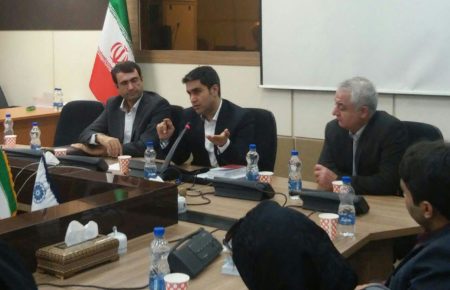 برگزاری دوره جامع آموزش داوری
ویژگی های شرط داوری
برگزاری دوره جامع آموزش داوری
ویژگی های شرط داوری
 داوری و مزیت های داوری
 ممنوعیت کارمندان دولت از داوری
 آئین نامه هزینه داوری در “ایران داوری”
 نحوه اجرای رای داور در داوری داخلی
 نگارش رای داوری
نمونه شرط داوری
نگارش رای داوری
نمونه شرط داوری
 داوری بین المللی و خارجی
 آییننامه تشکیلات مرکز ایران داوری
شرایط داور مرضی الطرفین
آییننامه تشکیلات مرکز ایران داوری
شرایط داور مرضی الطرفین
 استقلال شرط داوری
 تعیین داور توسط مقام ناصب
 نحوه قیمت گذاری گاز طبیعی
 جایگاه داوری در حقوق ایران و فقه
 مسئولیت داور در ایران و برخی کشورها
 تکلیف داور به تبعیت از قرارداد
 غیر مالی بودن دعوای ابطال رای داور
 داوری شورای عالی معادن
ارجاع دعاوی و اختلافات موقوفه به داوری
داوری شورای عالی معادن
ارجاع دعاوی و اختلافات موقوفه به داوری
 داوری در موافقتنامه چابهار
 اجرای احکام داوری بین ایران و چین
نمونه لایحه قوی در دعوای ابطال رای داور
اجرای احکام داوری بین ایران و چین
نمونه لایحه قوی در دعوای ابطال رای داور
 ضرورت توسعه داوری
 مزایای داوری برای وکلای دادگستری
لایحه جامع داوری
ابطال رای داور مرضی الطرفین
مزایای داوری برای وکلای دادگستری
لایحه جامع داوری
ابطال رای داور مرضی الطرفین
 تعیین داور مرضی الطرفین
 مزایای انتخاب داور نسبت به قاضی دادگستری
 مالیات وکیل در پرونده های داوری
دادخواست تعیین داور
انتخاب داور به وسیله دادگاه
مالیات وکیل در پرونده های داوری
دادخواست تعیین داور
انتخاب داور به وسیله دادگاه
 ابلاغ رأی داوری – تعیین و حساب مواعد
 داوری در قراردادها
مسئولیت داور
داوری در قراردادها
مسئولیت داور
 داوری بین المللی
 تعداد داوران در قوانین ایران
 موارد مداخله دادگاه در نصب داور
 اخذ قبولی داور
 استعفای داور
 عزل داور
آیین داوری ایران داوری
عزل داور
آیین داوری ایران داوری
 انتخاب داور بوسیله شخص ثالث یا دادگاه
 داوری در اختلافات و دعاوی بین ایرانیان و اتباع خارجی
 داوری در معاملات املاک
 نمونه شرط داوری در قراردادها و معاملات املاک
 مرکز داوری اتاق اصناف ایران
 داوری شرکت ها در روابط و اختلافات تجاری
 اعتبار شرط داوری در اساسنامه شرکت های تعاونی
 داوری شورای شهر در اختلافات شهرداری ها با اشخاص
 آموزش نحوه نگارش رای داوری
 داوری مدیران شرکت ها در دعاوی شرکت ها
 داوری شورای اسلامی شهر در دعاوی و معاملات شهرداری ها
 انصراف از داوری
 کارگاه آموزشی داوری در معاملات املاک
 داوری الکترونیکی