- سبد خرید خالی است.




The world of competitive strategy, whether in chess, politics, or business, often revolves around identifying and neutralizing key players. Those who can control the narrative, dictate the pace, and ultimately outmaneuver their opponents often rise to the top. In various competitive arenas, a particular archetype emerges – individuals skilled at controlling information, manipulating perceptions, and steering events to their advantage. These individuals, often referred to as spin kings, possess a unique blend of intelligence, charisma, and strategic acumen. Their ability to shape public opinion and influence decision-making can be a decisive factor in achieving success.
The strategies employed by these figures are multifaceted. They involve understanding the psychology of their audience, mastering the art of communication, and exploiting vulnerabilities in their opponents’ positions. It’s not always about having the best product, the strongest army, or the most compelling argument. It's about framing the debate, controlling the message, and creating a perception of strength, even in the face of adversity. Their methods, while sometimes controversial, are undeniably effective, and their influence can be felt across a wide range of domains. The exploration of how these tactics are developed, deployed, and countered is crucial for anyone hoping to navigate complex competitive landscapes.
At the heart of the spin king’s toolkit lies a deep understanding of human psychology. They recognize that people are not always rational actors and that emotions, biases, and pre-conceived notions play a significant role in decision-making. Instead of directly confronting opposing viewpoints, effective influencers often seek to reframe the narrative, presenting their own arguments in a way that resonates with the target audience’s values and beliefs. This often involves carefully selecting which information to emphasize and which to downplay, crafting a compelling story that supports their desired outcome. This isn't necessarily about deception, but rather skillful persuasion, leveraging the power of narrative to shape perception. Successfully reframing a narrative can dramatically alter public opinion and create a more favorable environment for achieving strategic objectives.
A key technique within reframing is the strategic use – and often, omission – of information. It's rarely about lying outright, but about presenting a carefully curated selection of facts that support a pre-determined conclusion. For example, a company facing criticism for environmental practices might highlight its investments in renewable energy while minimizing coverage of its polluting activities. This tactic requires a thorough understanding of the media landscape, knowing which outlets are more likely to accept a particular narrative and tailoring the message accordingly. The goal is to control the flow of information, ensuring that the public receives a version of events that is favorable to the influencer’s interests. Furthermore, preemptively addressing potential criticisms, even before they arise, can demonstrate transparency and build trust, further solidifying the desired narrative.
| Reframing | Presenting information in a new light to change perception. | A product recall framed as a proactive safety measure. |
| Selective Information | Highlighting favorable facts while downplaying unfavorable ones. | Emphasizing positive economic indicators while ignoring rising unemployment. |
| Emotional Appeals | Using emotionally charged language and imagery to influence opinions. | Advertising campaigns that evoke feelings of nostalgia or patriotism. |
Mastering these tactics requires a keen awareness of the surrounding social and political context. The same message that resonates with one audience may fall flat with another. Therefore, successful spin kings are adept at adapting their strategies to the specific circumstances, crafting tailored narratives that appeal to the values and concerns of their target demographic. This adaptability is crucial in a constantly evolving media landscape, where information spreads rapidly and public opinion can shift quickly.
While strategic brilliance is essential, the ability to connect with people on a personal level is equally important. Charismatic individuals possess an undeniable magnetism that draws others in, making them more receptive to their ideas. This charisma can manifest in various forms – a captivating speaking style, a warm and approachable demeanor, or a genuine display of empathy. Regardless of the specific expression, the underlying principle remains the same: people are more likely to trust and be influenced by those they like and respect. Developing a strong personal brand further enhances this effect, creating a recognizable and trusted identity that can be leveraged to build credibility and influence. Authenticity, however, is paramount; contrived displays of charisma can quickly erode trust and damage an influencer’s reputation.
A strong personal brand isn't simply about self-promotion; it's about defining a clear set of values and consistently embodying those values in all interactions. This involves carefully crafting a public persona that is authentic, relatable, and aligned with the influencer’s strategic objectives. Social media plays a crucial role in this process, providing a platform for sharing thoughts, engaging with followers, and building a community around shared interests. Maintaining consistency across all platforms is key, ensuring that the message remains unified and reinforces the desired brand image. Thought leadership, demonstrated through insightful commentary and engaging content, can further solidify the influencer’s position as a trusted expert in their field.
However, the pursuit of a powerful personal brand requires careful consideration of potential risks. In the age of social media, past mistakes can resurface quickly, damaging an influencer’s reputation and undermining their credibility. Therefore, it's essential to maintain a high level of ethical conduct and to be transparent about potential conflicts of interest. A long-term perspective is crucial, recognizing that building a sustainable brand takes time and effort.
The tactics employed by spin kings often operate in a gray area, blurring the lines between persuasion and manipulation. While skillful communication and strategic framing are legitimate tools for influencing decision-making, resorting to deception or spreading misinformation can have serious consequences. The erosion of trust, damage to reputation, and potential legal ramifications are all risks associated with unethical behavior. Maintaining a strong moral compass is therefore essential for anyone seeking to wield influence responsibly. This involves prioritizing transparency, honesty, and respect for the audience, even when it means sacrificing short-term gains. Ethical leadership builds long-term credibility and fosters sustainable relationships.
The proliferation of misinformation, particularly in the digital age, poses a significant threat to democratic institutions and public trust. False or misleading information can manipulate public opinion, incite violence, and undermine faith in legitimate sources of authority. Those who deliberately spread misinformation bear a heavy responsibility for the harm they inflict. Combating misinformation requires a multi-faceted approach, including media literacy education, fact-checking initiatives, and holding social media platforms accountable for the content they host. Furthermore, individuals must be critical consumers of information, verifying the accuracy of claims before sharing them with others. Creating an environment where truth and accuracy are valued is essential for maintaining a healthy and informed society.
The increasing sophistication of AI-generated content further complicates this landscape, making it more difficult to distinguish between genuine and fabricated information. The development of tools capable of detecting deepfakes and other forms of synthetic media is crucial for mitigating the risks associated with this emerging technology. Education and awareness are also vital, empowering individuals to identify and resist manipulative tactics.
The tools and techniques of influence are constantly evolving, driven by technological advancements and shifts in social norms. The rise of social media has democratized access to information, empowering individuals to become both consumers and producers of content. This has created a more fragmented and volatile media landscape, where traditional gatekeepers have less control over the flow of information. Influencers must adapt to this new reality by embracing new platforms, mastering new communication strategies, and building direct relationships with their audience. The ability to cultivate trust and authenticity is more important than ever in an environment characterized by skepticism and cynicism. Moreover, understanding data analytics and utilizing them to refine messaging will be vital for remaining impactful.
The impact of effective persuasion extends far beyond immediate outcomes. The narratives we consume shape our beliefs, values, and ultimately, our understanding of the world. The stories told by spin kings, whether true or fabricated, contribute to the collective consciousness, influencing public discourse and shaping societal norms. This highlights the profound responsibility that comes with wielding influence. The long-term consequences of manipulative tactics can be far-reaching, eroding trust in institutions and undermining the foundations of a healthy democracy. Promoting critical thinking, media literacy, and ethical communication are essential for fostering a more informed and resilient society. Consider the impact of targeted advertising on purchasing habits; even seemingly benign persuasion can subtly alter behaviors over time.
Looking ahead, the ability to identify and counter manipulative tactics will become increasingly important. Equipping individuals with the skills to critically evaluate information, recognize biases, and resist emotional appeals is crucial for safeguarding against undue influence. Furthermore, fostering a culture of transparency and accountability can help to deter unethical behavior and promote responsible communication. The long-term health of our societies depends on our ability to navigate the complexities of the modern information age with wisdom and discernment. This requires a collective commitment to truth, integrity, and a respect for the power of persuasion.

 داوری اتاق تعاون
 از مصوبات شورای عالی ترابری ایران
 اصل ۱۳۹ قانون اساسی برای داوری
 استعفای داور و تأثیر آن بر داوری
 اعتراض به رای داور و درخواست بطلان آن دعوی مالی نیست
 داوری بین شرکت های تعاونی
 ارجاع به داوری در قراردادهای پیمان
 داوری در حقوق مالکیت فکری
 داوری در شرکت های با مسئولیت محدود
 داوری در اتاق تعاون
 داوری در آئین دادرسی مدنی
 زایل شدن شرط داوری به سبب اقاله یا تفاسخ اصل قرارداد
 اهلیت ارجاع اختلاف به داوری
 شرح و تحلیل ماده ۴۵۴
 اساسنامه دیوان بینالمللی دادگستری
 قانون موافقتنامه بین دولت جمهوری اسلامی ایران و کمیته حقوقی مشورتی آسیایی – آفریقایی راجع به ایجاد مرکز منطقهای داوری در تهران
 کنوانسیون شناسایی و اجرای احکام داوری خارجی
 قوه قضاییه، مکلف به تلاش برای حل و فصل اختلافات از طریق داوری شد
 کانون داوری قوه قضائیه در استان یزد، ایجاد می شود
 راه اندازی مرکز داوری در کانون وکلای دادگستری مرکز
 صلاحیت محلی در داوری
 برای اجرای رای داور، عشریه اجرایی نباید دریافت شود
 اجرای رای داوری که طی سند رسمی به داوری، انتخاب شده باشد از طریق اجرای ثبت، ممکن نیست
 غیر مالی بودن دعوی ابطال رای داور
 زایل شدن شرط داوری، اشکالی ندارد
 داوری نهاد مدرن حل اختلاف
 سرعت در رسیدگی داوری
 داور قاضی متخصص و منتخب شما
 از قانون برنامه ششم توسعه فرهنگی، اجتماعی و اقتصادی ایران
 از قانون اجرای سیاست های کلی اصل ۴۴ قانون اساسی ایران
 از قانون برنامه سوم توسعه فرهنگی، اجتماعی و اقتصادی جمهوری اسلامی ایران
 از سیاست های کلی نظام
 روش تعیین داور
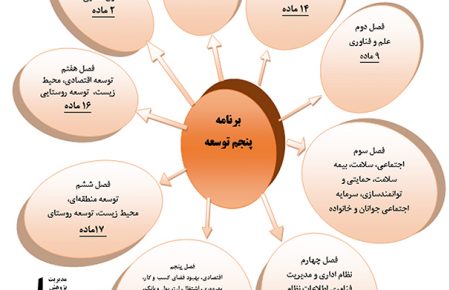 از قانون برنامه پنجم توسعه فرهنگی، اجتماعی و اقتصادی کشور
 از قانون نظام مهندسی و کنترل ساختمان (داوری شورای مرکزی)
 از اساسنامه شرکت سهامی خاص خدمات هوایی پست و مخابرات (پیام)
 از قانون اتاق بازرگانی ایران (تشکیل مرکز داوری اتاق ایران)
 تشکیل نهاد داوری از سوی قوه قضائیه در آیندهای نزدیک
 از قانون اجرای احکام مدنی (اجرای رای داور)
 از قانون اصلاح پاره ای از قوانین دادگستری
 تقاضای ابطال رای داور
 تاثیر اقاله قرارداد بر داوری
 انقضای مدت داوری
 موضوع داوری بیانگر صلاحیت داور
 از قانون برنامه سوم توسعه فرهنگی، اجتماعی و اقتصادی ایران
 ارتباط رای داور با قوانین موجد حق
 سمینار نظارت قضایی بر آرای داوری
 نقدی بر داوری در پیمان
داوری در پیمان
نقدی بر داوری در پیمان
داوری در پیمان
 قانون اساسنامه مرکز داوری اتاق ایران
 از قانون اساسی جمهوری اسلامی ایران و تفاسیر شورای نگهبان قانون اساسی
 از قانون اصلاح موادی از قانون بخش تعاونی اقتصاد جمهوری اسلامی ایران
طبیعت و ماهیت داوری یا حکمیت
از قانون اصلاح موادی از قانون بخش تعاونی اقتصاد جمهوری اسلامی ایران
طبیعت و ماهیت داوری یا حکمیت
 همه مسائل حقوقی؛ قابل ارجاع به داوری
شرح و تحلیل شرط داوری
همه مسائل حقوقی؛ قابل ارجاع به داوری
شرح و تحلیل شرط داوری
 از لایحه قانونی اصلاح قسمتی از قانون تجارت
 از قانون شورای حل اختلاف
 از قانون راجع به منع مداخله وزارء و نمایندگان مجلسین و کارمندان در معاملات دولتی و کشوری
 قانون راجع به اجازه ارجاع به داوری و تعیین داور برای دعاوی علیه بانک ها در خارج از کشور به بانک مرکزی ایران
 قانون داوری تجاری بینالمللی
 از قانون حمایت خانواده
 از قانون تاسیس بورس اوراق بهادار
 از قانون پیش فروش ساختمان
 قانون بازار اوراق بهادار جمهوری اسلامی ایران
 از قانون آئین دادرسی دادگاههای عمومی و انقلاب در امور کیفری
داوری در قانون آئین دادرسی مدنی
از قانون آئین دادرسی دادگاههای عمومی و انقلاب در امور کیفری
داوری در قانون آئین دادرسی مدنی
 اهمیت داوری در قراردادهای پیمانکاری
 اهمیت داوری در حقوق ایران
 ابطال رای داوری
اشخاص ممنوع از داوری
ابطال رای داوری
اشخاص ممنوع از داوری
 زوال داوری
از قانون بخش تعاونی اقتصاد جمهوری اسلامی ایران
زوال داوری
از قانون بخش تعاونی اقتصاد جمهوری اسلامی ایران
 از قانون تشویق و حمایت سرمایهگذاری خارجی
 از قانون توسعه ابزارها و نهادهای مالی در راستای اصل چهل و چهارم
 از قانون ایمنی زیستی جمهوری اسلامی ایران
از قانون تشکیل دادگاههای عمومی و انقلاب
از قانون ایمنی زیستی جمهوری اسلامی ایران
از قانون تشکیل دادگاههای عمومی و انقلاب
 قانون اصلاح مقررات مربوط به طلاق
 از قانون برنامه چهارم توسعه فرهنگی، اجتماعی و اقتصادی جمهوری اسلامی ایران
 آئین نامه اجرایی ماده ۲۱ قانون برنامه سوم توسعه اقتصادی و اجتماعی و فرهنگی جمهوری اسلامی ایران
 آییننامه حقالزحمه داوری
 از آئین نامه اجرایی قانون نظام مهندسی و کنترل ساختمان (داوری)
 از آییننامه اجرایی قانون پیشفروش ساختمان
 از آییننامه شرایط عمومی بیمه بدنه وسایل نقلیه
 آییننامه اجرایی تبصره ۱ ماده واحده قانون اصلاح مقررات مربوطه به طلاق
 از آییننامه شرایط عمومی بیمهنامه
 آییننامه قانون حفظ و بهرهبرداری از منابع آبزی
 آییننامه میانجیگری در امور کیفری مصوب هیئتوزیران
 آییننامه داوری در بخش تعاونی
 آییننامه داوری در اختلافات تجاری
 آییننامه داوری مرکز داوری کانون وکلاء مرکز
 آییننامه اجرایی تبصره ذیل ماده ۲۸ قانون اصلاح پارهای از قوانین دادگستری
 آییننامه میانجیگری در امور کیفری، مصوب قوه قضاییه
 چگونگی تراضی طرفین به عزل داور
 تعیین نحوه ابلاغ رای داوری
 داوری در مناقشه گازی ایران و ترکمنستان
 قانون داوری نمونه آنسیترال ۱۹۸۵
 از دستورالعمل حمایت قضایی از سرمایهگذاری
بخشنامه ارجاع اختلاف تعاونیها به اتاق تعاون
از دستورالعمل حمایت قضایی از سرمایهگذاری
بخشنامه ارجاع اختلاف تعاونیها به اتاق تعاون
 بخشنامه ریاست جمهوری در مورد داوری اتاق بازرگانی ایران (سال ۱۳۸۲)
 بخشنامه تاکید بر صلاحیت های مرکز داوری
 از شرایط عمومی پیمان
 از تصویبنامه ماده ۲۳ قانون برنامه و بودجه (داوری در قراردادهای عمرانی)
 تصویبنامه هیأت وزیران درباره تفویض اجازه ارجاع دعاوی راجع به اموال عمومی و دولتی به داوری به کمیسیون امور زیربنایی و صنعت
 تصویبنامه در مورد داوری و مصالحه دعاوی راجع به اموال و دولتی
 از تصویب نامه هیات وزیران در مورد روش حل اختلاف در طرحهای عمرانی
 در دعاوی طلاق، در صورت عدم معرفی داور از سوی طرفین، دادگاه اقدام به تعیین داور خواهد کرد.
 لازمالرعایه بودن ارجاع امر به داوری در دعاوی طلاق حتی برای اقلیتهای مذهبی
 اعتبار توافق دو شرکت خصوصی در داوری شورای عالی فنی
 اعتبار ارجاع امر به داوری در موقوفات
 تکلیف دادگاه به اجرای رای داور
 خودداری محکوم علیه از اجرای رای داور
 چگونگی ابلاغ رای داور
 داوری در دعاوی دانشگاه آزاد
 هیئت سه نفره داوری
 دادگاه صالح برای اجرای رای داور
ابلاغ رای داور در موارد سکوت نحوه ابلاغ
دادگاه صالح برای اجرای رای داور
ابلاغ رای داور در موارد سکوت نحوه ابلاغ
 ابلاغ رأی داور از طریق آگهی
 مهلت اجرای رأی داور یا اعتراض به آن
 رفع ابهام یا اجمال از آراء داوری
 ارجاع به داوری در قراردادهای باشگاه استقلال
 رسیدگی به دعوی بطلان رای داوری
 اعتراض به رای داوری در صلاحیت دادگاه
 تکلیف دادگاه به تعیین داور
 اعسار از حق الزحمه داوری
 ارجاع دعاوی مربوط به اموال عمومی به داوری
 داوری در طلاق توافقی
مهلت ها و مواعد اعتراض به رای داور
داوری در طلاق توافقی
مهلت ها و مواعد اعتراض به رای داور
 داوری در روابط موجر و مستاجر
 درخواست ابطال رای داوری در مهلت قانونی
 تکلیف دادگاه پس از ابطال رای داور
 صلاحیت برای داوری
 اجرای رای داور با درخواست ذینفع
قرار ابطال دادخواست طلاق
اجرای رای داور با درخواست ذینفع
قرار ابطال دادخواست طلاق
 صدور رأی پیرامون رأی داور
 انتخاب سردفتران و دفتریاران اسناد رسمی به داوری
 رأی هیئت حل اختلاف آییننامه شورای عالی بیمه
 میانجیگری و صلح (سازش)
توقف اجرای رأی داور
میانجیگری و صلح (سازش)
توقف اجرای رأی داور
 ارجاع درخواست طلاقهای غیر توافقی به داوری
 رأی داوری نسبت به بانکهای دولتی بدون رعایت اصل ۱۳۹ قانون اساسی بیاعتبار است
 ارجاع دعوی تنفیذ مبایعه نامه به داوری
 دعوی ابطال شرط داوری
 شرط داوری در اساسنامه شرکت
 داوری اعضای هیات مدیره شرکت
 داوری مشاور حقوقی
 جلسه داوری خارج از دادگاه
 غیابی بودن رای داوری
 عدول از ارجاع امر به داوری
قاعده فراغ در داوری
عدول از ارجاع امر به داوری
قاعده فراغ در داوری
 مطالبه دستمزد داوری
اعتراض به رای داوری
تعیین یکی از طرفین بعنوان داور
مطالبه دستمزد داوری
اعتراض به رای داوری
تعیین یکی از طرفین بعنوان داور
 شرط داوری در قرارداد با شهرداریها
 داوری در قانون مجازات اسلامی
 توسعه نهاد داوری
 داوری در تجارت بین الملل
 برگزاری دوره جامع آموزش داوری
ویژگی های شرط داوری
برگزاری دوره جامع آموزش داوری
ویژگی های شرط داوری
 داوری و مزیت های داوری
 ممنوعیت کارمندان دولت از داوری
 آئین نامه هزینه داوری در “ایران داوری”
 نحوه اجرای رای داور در داوری داخلی
 نگارش رای داوری
نمونه شرط داوری
نگارش رای داوری
نمونه شرط داوری
 داوری بین المللی و خارجی
 آییننامه تشکیلات مرکز ایران داوری
شرایط داور مرضی الطرفین
آییننامه تشکیلات مرکز ایران داوری
شرایط داور مرضی الطرفین
 استقلال شرط داوری
 تعیین داور توسط مقام ناصب
 نحوه قیمت گذاری گاز طبیعی
 جایگاه داوری در حقوق ایران و فقه
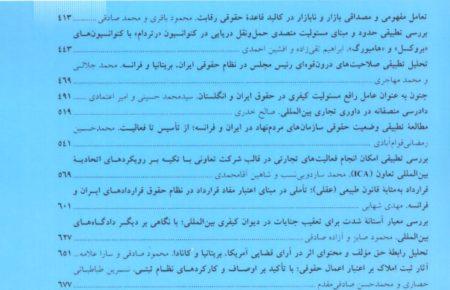 مسئولیت داور در ایران و برخی کشورها
 تکلیف داور به تبعیت از قرارداد
 غیر مالی بودن دعوای ابطال رای داور
 داوری شورای عالی معادن
ارجاع دعاوی و اختلافات موقوفه به داوری
داوری شورای عالی معادن
ارجاع دعاوی و اختلافات موقوفه به داوری
 داوری در موافقتنامه چابهار
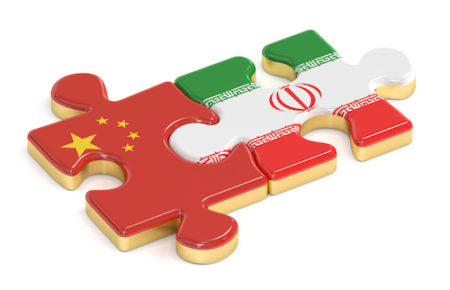 اجرای احکام داوری بین ایران و چین
نمونه لایحه قوی در دعوای ابطال رای داور
اجرای احکام داوری بین ایران و چین
نمونه لایحه قوی در دعوای ابطال رای داور
 ضرورت توسعه داوری
 مزایای داوری برای وکلای دادگستری
لایحه جامع داوری
ابطال رای داور مرضی الطرفین
مزایای داوری برای وکلای دادگستری
لایحه جامع داوری
ابطال رای داور مرضی الطرفین
 تعیین داور مرضی الطرفین
 مزایای انتخاب داور نسبت به قاضی دادگستری
 مالیات وکیل در پرونده های داوری
دادخواست تعیین داور
انتخاب داور به وسیله دادگاه
مالیات وکیل در پرونده های داوری
دادخواست تعیین داور
انتخاب داور به وسیله دادگاه
 ابلاغ رأی داوری – تعیین و حساب مواعد
 داوری در قراردادها
مسئولیت داور
داوری در قراردادها
مسئولیت داور
 داوری بین المللی
 تعداد داوران در قوانین ایران
 موارد مداخله دادگاه در نصب داور
 اخذ قبولی داور
 استعفای داور
 عزل داور
آیین داوری ایران داوری
عزل داور
آیین داوری ایران داوری
 انتخاب داور بوسیله شخص ثالث یا دادگاه
 داوری در اختلافات و دعاوی بین ایرانیان و اتباع خارجی
 داوری در معاملات املاک
 نمونه شرط داوری در قراردادها و معاملات املاک
 مرکز داوری اتاق اصناف ایران
 داوری شرکت ها در روابط و اختلافات تجاری
 اعتبار شرط داوری در اساسنامه شرکت های تعاونی
 داوری شورای شهر در اختلافات شهرداری ها با اشخاص
 آموزش نحوه نگارش رای داوری
 داوری مدیران شرکت ها در دعاوی شرکت ها
 داوری شورای اسلامی شهر در دعاوی و معاملات شهرداری ها
 انصراف از داوری
 کارگاه آموزشی داوری در معاملات املاک
 داوری الکترونیکی